
Advice
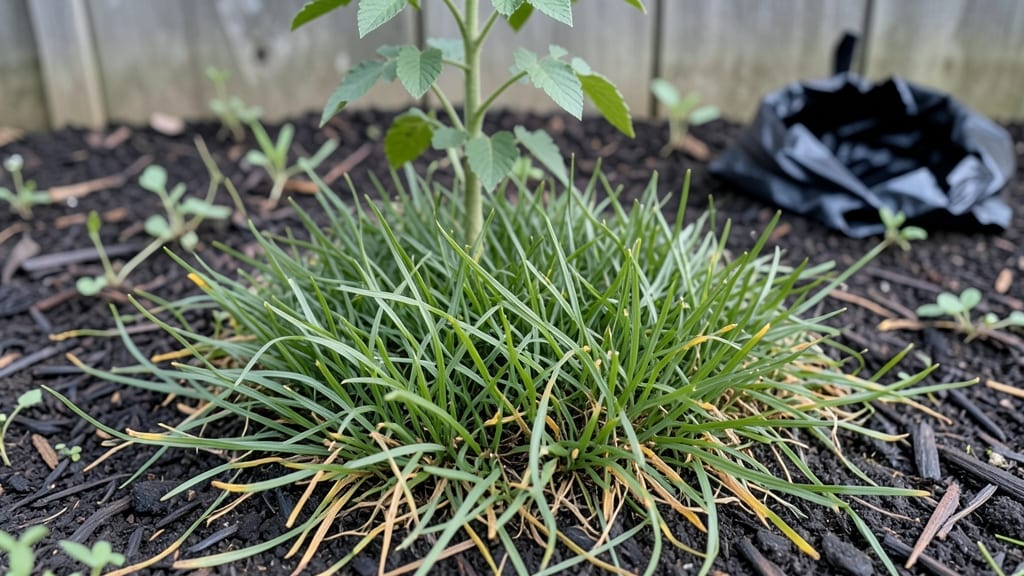
The most expensive grass types include Kentucky Bluegrass premium sod (up to $1.50/sq ft for certified organic), Tifway 419 Bermuda grass (used in golf courses, $0.80–$1.20/sq ft), and Zeon Zoysia (drought-resistant, $1.00–$2.00/sq ft). Pricing varies by quality, region, and growing conditions, with specialty varieties like Japanese Forest Grass (ornamental, $50–$150 per plant) commanding premium rates for landscaping and high-end gardens.
When you're looking at premium turf options, cost often reflects both rarity and specialized growing needs. 💫 High-end grasses like Tifway 419 Bermuda aren't just expensive because they're used on golf courses—they require precise cultivation to maintain their density and color.
Meanwhile, ornamental varieties such as Japanese Forest Grass fetch top dollar because they're prized for their unique textures and seasonal color changes, making them a favorite among landscape designers for high-end residential projects.
The price jump also comes from factors like seed availability, where certain varieties need controlled environments to thrive, and the labor costs for maintaining their pristine appearance.
What's interesting is how regional demand shifts these prices. For example, Zeon Zoysia might cost less in dry climates where its drought resistance is valuable, while Kentucky Bluegrass sees higher prices in colder regions where its cold tolerance justifies the premium.
Even organic certifications can double the cost, as they require stricter farming practices and verification processes. If you're planning a luxury lawn or golf course, understanding these cost drivers helps you balance aesthetics with budget realities.
💡 In This Article
- Factors Driving High-Cost Grass Varieties
- Best High-End Grass for Landscaping and Golf Courses
Factors driving high-cost grass varieties
The most expensive grass varieties command premium pricing due to a combination of biological rarity, cultivation complexity, and market demand. Take Kikuyu grass, for instance—its tropical origins mean it requires 75-85°F temperatures year-round, making it impossible to grow commercially in most U.S. regions.
This geographic limitation forces buyers to rely on imported seed stock, which can cost $0.50–$1.00 per pound—far higher than domestic varieties. Similarly, St. Augustine grass demands meticulous hand-trimming to maintain its signature broad blades, adding $0.30–$0.50 per square foot in labor costs to its base price.
Climate-specific challenges further inflate costs. Fescue blends, prized for their cold hardiness, require three growing seasons to establish deep root systems in northern climates, doubling the time (and thus cost) compared to warm-season grasses.
Meanwhile, organic certification adds another layer—Kentucky Bluegrass certified organic can cost 30-50% more than conventional due to stricter pesticide-free growing protocols and soil testing requirements. The certification process alone may take 6-12 months of documentation before a field qualifies for the organic label.
Niche market demand creates another pricing tier. Tifway 419 Bermuda grass, the gold standard for golf courses, isn't just expensive because of its quality—it's because golf course superintendents pay $1.20–$2.50 per square foot for its ability to withstand 100+ daily foot traffic while maintaining a 0.1-inch mowing tolerance.
This precision requires specialized equipment and irrigation systems that add $5,000–$15,000 per acre annually in maintenance costs.
For ornamental grasses like Miscanthus sinensis, the value lies in their seasonal color shifts (from golden yellow to deep bronze) and architectural forms, making them a staple in luxury landscapes where aesthetics justify $50–$150 per plant.
Regional price disparities also play a role. On the West Coast, where water conservation is critical, Zeon Zoysia can cost 20-30% more than in the Southeast due to higher demand for drought-tolerant varieties.
Conversely, in the Midwest, tall fescue blends see price surges during freeze events because their cold tolerance makes them essential for winter sports fields.
Even transportation costs factor in—shipping live sod across state lines adds $0.10–$0.30 per square foot, which is why local nurseries often mark up prices for varieties grown outside their native climate zones.
What most people overlook is how seed viability affects pricing. High-end grasses like Carpetgrass have seed germination rates below 60% unless stored at 35-40°F with 50% humidity, requiring specialized storage facilities. This controlled environment adds $0.20–$0.40 per pound to seed costs.
Meanwhile, non-GMO certifications for varieties like Bahia grass can increase prices by 15-25% because they require additional testing to ensure no genetic modification has occurred during propagation.
For homeowners, understanding these cost drivers means weighing short-term savings against long-term benefits. A $2.00 per square foot Zoysia lawn might seem expensive upfront, but its 50% lower water needs compared to Kentucky Bluegrass could save $300–$500 annually in irrigation costs.
Similarly, investing in organic-certified sod might cost more initially, but it eliminates the need for synthetic fertilizers, reducing ongoing maintenance by 40% over five years.