
Lawn
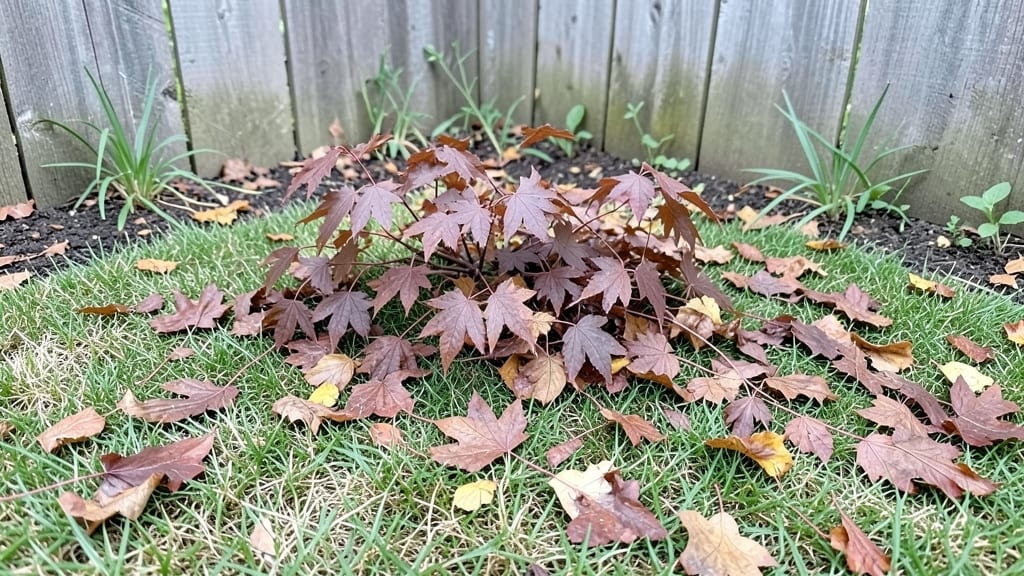
Mulching leaves on your lawn can feel like a double-edged sword—one day it’s feeding the soil, the next it’s smothering your grass. 🌱 I’ve seen thick leaf layers turn into a thatch nightmare, but I’ve also watched the same lawn thrive when leaves are spread just right.
The key isn’t avoiding leaves entirely; it’s knowing how to work with them.
Most problems start with timing and technique. Raking leaves into clumps or letting them pile too deep suffocates grass, while a light, even layer (under ¼ inch) acts like free mulch that breaks down into natural fertilizer.
The trick is shredding them first—whole leaves mat down, but shredded ones blend into the lawn like confetti, disappearing without harming the grass.
By spring, you’ll notice richer soil and fewer weeds, thanks to the slow-release nutrients from decomposed leaves. The grass stays greener longer, and you skip the expense of synthetic fertilizers. Just don’t let leaves linger past winter—they can block sunlight and trap moisture, inviting fungal issues.
Works for any lawn type, from shady backyards to sunny front yards. The same principles apply whether you’re dealing with oak leaves (which break down slowly) or maple leaves (which decompose faster). Here’s how to make it work for your yard’s needs.
The Hidden Triggers Behind Leaf Decomposition
Understanding why mulched leaves on your lawn sometimes behave unexpectedly—whether they vanish too quickly, create mats, or fail to nourish the soil—boils down to a mix of environmental, biological, and even human factors. Here’s a breakdown of the key culprits and the science behind them:
The texture of leaves plays a huge role in how well they decompose and integrate into your lawn. When leaves are mulched, their size and uniformity directly impact microbial activity and soil aeration.
- Too fine (powdery mulch): - Why it happens: High-powered mulchers or excessive chopping turn leaves into a fine, almost flour-like consistency.
This creates a dense, compacted layer that can smother grass by blocking sunlight and air. - Science behind it: Fine particles lack structural integrity, leading to anaerobic conditions (low oxygen) in the soil.
This slows decomposition and encourages fungal growth over beneficial bacteria, which can harm roots. - Actionable fix: Adjust your mower’s mulching blade or use a leaf vacuum with adjustable settings to leave leaves in ¼- to ½-inch strips—large enough to allow airflow but small enough to decompose efficiently.
- Too coarse (whole or large chunks): - Why it happens: If leaves are only lightly shredded or left whole, they form thick mats that resist breaking down.
This is common with rake-collected leaves or inefficient mulching. - Science behind it: Large leaf pieces create microclimates where moisture and heat get trapped, promoting mold (like Rhizoctonia) and discouraging earthworms, which are key decomposers. - Actionable fix: Run over the lawn with a vertical mower or dethatcher to break up stubborn mats, then re-mulch with a heavy-duty mulching mower (like a Scag or Toro model) set to a mid-range blade speed.
Water is the lifeblood of decomposition, but too much or too little throws the process off balance. Mulched leaves need just the right moisture levels to activate microbes and fungi.
- Excessive moisture (soggy leaves): - Why it happens: Heavy rain, poor drainage, or overwatering turns mulched leaves into a waterlogged sludge.
This is especially common in clay soils or low-lying areas. - Science behind it: Anaerobic conditions (no oxygen) cause methane emissions (a greenhouse gas) and favor pathogenic fungi like Phytophthora, which can rot grass roots. - Actionable fix: - Test your soil’s drainage with a percolation test (dig a 12-inch hole, fill with water, and time how long it drains). - Amend heavy soils with compost or sand to improve aeration. - Spread mulched leaves thinly (¼ inch or less) and fluff with a lawn rake to prevent compaction.
- Insufficient moisture (dry, crusty leaves): - Why it happens: Drought, wind, or sandy soils cause mulched leaves to dry out and form a crust, halting decomposition. - Science behind it: Dry leaves lack the moisture microbes need to break down cellulose and lignin.
Without water, decomposition grinds to a halt, leaving a thatch layer. - Actionable fix: - Lightly water mulched leaves 2-3 times per week (early morning) to keep them damp but not soggy. - Use a soaker hose to penetrate deep into the thatch layer. - Mix mulched leaves with compost or topsoil to retain moisture (aim for a 1:3 ratio of leaves to soil).
Not all microbes are created equal. The balance of bacteria, fungi, and earthworms determines whether mulched leaves become nutrient gold or a lawn hazard.
- Fungal dominance (moldy leaves): - Why it happens: Cool, wet conditions favor filamentous fungi (like Rhizopus or Mucor), which create stringy, grayish mats on leaves. - Science behind it: Fungi thrive in high-carbon, low-nitrogen environments (like pure leaf litter).
While some fungi decompose leaves, others produce mycotoxins harmful to grass. - Actionable fix: - Add a nitrogen-rich activator like alfalfa meal (5 lbs per 1,000 sq ft) or blood meal to shift the microbial balance. - Encourage earthworms by top-dressing with compost tea (rich in beneficial bacteria).
- Bacterial stagnation (slow breakdown): - Why it happens: If leaves lack nitrogen or are too compacted, bacteria (which need nitrogen to multiply) stall out, leaving leaves undecomposed. - Science behind it: Bacteria are the primary decomposers of fresh organic matter, but they require nitrogen, phosphorus, and potassium (NPK) to function.
Without these, decomposition slows to a crawl. - Actionable fix: - Apply a light layer of compost (¼ inch) over mulched leaves to introduce microbes and nutrients. - Use a microbe-boosting fertilizer like Fish Emissions 4-1-1 (high in nitrogen and beneficial bacteria).
Decomposition is a temperature-sensitive process. If your climate swings between freezing winters or scorching summers, mulched leaves may either freeze solid or bake into a crust.
- Cold weather (slow or halted decomposition): - Why it happens: Below 40°F (4°C), microbial activity nearly stops.
Frozen leaves form icy mats that resist breaking down until spring. - Science behind it: Enzymes in microbes (like cellulase) become inactive in cold temps, halting the breakdown of cellulose. - Actionable fix: - Pre-winter prep: Mulch leaves before the first frost and lightly cover with straw or wood chips (2-3 inches) for insulation. - In spring, aerate the lawn to wake up dormant microbes.
- Hot, dry weather (crusty or burned leaves):
- Why it happens: Temperatures above 90°F (32°C) cause mulched leaves to oxidize and turn brown, while dry conditions prevent moisture retention.
- Science behind it: Heat accelerates lignin breakdown, but without water, microbes die off, leaving behind a carbon-rich but nutrient-poor layer.
- Actionable fix:
- Mulch leaves in the early morning or late evening to avoid midday heat.
- Water deeply (1 inch per week) to maintain soil moisture during heatwaves.
Even the best mulching plan can go wrong if timing, equipment, or application are off.
- Mulching at the wrong time: - Why it happens: Applying mulched leaves during peak growth seasons (spring/fall) can compete with grass for nutrients, while doing it in dormant seasons (winter) may lead to smothering. - Science behind it: Grass and decomposing leaves compete for nitrogen.
If leaves are added when grass is actively growing, the lawn may turn yellow from nitrogen deficiency. - Actionable fix: - Best times to mulch: Late fall (after first frost) or early spring (before grass greens up). - Avoid mulching during droughts or after herbicide applications (wait 4-6 weeks).
- Incorrect equipment settings:
- Why it happens: Using a standard mower on mulch mode (not designed for leaves) or raking leaves into piles instead of spreading them evenly creates hot spots.
- Science behind it: Improper mulching leads to uneven microbial activity, with some areas becoming anaerobic while others stay dry.
- Actionable fix:
- Use a dedicated mulching mower (like a Husqvarna or EGO) with sharp, specialized blades.
- For large yards, consider a leaf vacuum with a mulching attachment to distribute leaves evenly.
Fixing Over-Mulched Lawn Issues
Now that you understand why mulched leaves may be causing problems on your lawn, let’s tackle the solutions—tailored to the root cause. Whether your lawn is smothered, compacted, or struggling with nutrient imbalance, these fixes will restore balance and keep your grass thriving.
We’ll also share prevention tips to avoid future headaches.
If your lawn is buried under a thick layer of mulched leaves, the grass can’t breathe, leading to yellowing or dead patches. Here’s how to fix it:
🔥 Step 1: Rake Gently but Thoroughly
- Use a bow rake or leaf blower to remove excess mulched leaves, especially in high-traffic or shaded areas.
- Focus on clumps—break them up first to avoid compacting the soil further.
- Pro Tip: 💡 Work in sections to avoid missing spots. Start from the edges and move inward.
🍳 Step 2: Aerate Compacted Soil
- Rent a core aerator (or hire a pro) to punch holes in the lawn, allowing air, water, and nutrients to reach the roots.
- Best time: Early fall or spring when the grass is actively growing.
- Prevention Tip: ✨ Aerate annually if your lawn gets heavy foot traffic or sits on clay-heavy soil.
👨🍳 Step 3: Overseed Bare Spots
- After raking and aerating, spread high-quality grass seed over thin or bare areas.
- Lightly rake the seed into the soil and water gently to keep it moist for 2–3 weeks.
- Quick Fix: 🌡️ Use a starter fertilizer to give new seedlings a nutrient boost.
A thick layer of mulched leaves can contribute to thatch—a dense, spongy layer between grass and soil that blocks water and nutrients. Here’s how to manage it:
🔪 Step 1: Dethatch (If Necessary)
- Use a manual thatch rake or vertical mower to remove excess thatch (ideal thickness: ½ inch or less).
- Skip this step if your thatch layer is thin—over-dethatching can harm grass roots.
- Warning: ⚠️ Don’t dethatch in summer heat—do it in early fall or spring.
⏰ Step 2: Adjust Your Mowing Height
- Set your mower higher (3–4 inches) to reduce stress on grass and prevent thatch buildup.
- Never remove more than ⅓ of the grass blade in one mowing—this weakens the lawn.
- Prevention Tip: 🎯 Leave grass clippings (if not mulching leaves) to return nutrients to the soil naturally.
🌿 Step 3: Improve Soil Drainage
- If your lawn stays soggy after rain, amend the soil with compost or sand to improve drainage.
- Consider a soil test to check pH and nutrient levels—mulched leaves can alter soil chemistry over time.
If mulched leaves have created a damp, dark environment, fungal diseases like brown patch or dollar spot may take hold. Act fast:
🧼 Step 1: Remove Infected Debris
- Scoop up all visible leaves, thatch, and dead grass—don’t leave them behind.
- Dispose of them in a sealed bag (not your compost pile) to prevent reinfection.
- Pro Tip: 💡 Wear gloves—some fungi can irritate skin.
🚿 Step 2: Improve Airflow & Drainage
- Trim back overgrown shrubs or trees shading your lawn to allow sunlight and airflow.
- If your lawn has low spots, level them with topsoil or sand.
- Prevention Tip: ✨ Water in the early morning to let grass dry quickly.
💊 Step 3: Apply Fungicide (If Needed)
- Use a preventative fungicide in early fall or spring if your lawn is prone to disease.
- Follow the label instructions—overapplying can harm beneficial microbes.
- Natural Alternative: 🌱 Baking soda spray (1 tbsp per gallon of water) can help mild cases.
Mulched leaves can deplete nitrogen or alter soil pH over time. Restore balance with these steps:
📊 Step 1: Test Your Soil
- Send a sample to a local extension office or use a DIY soil test kit (available at garden centers).
- Look for pH levels (ideal: 6.0–7.0 for most grasses) and nutrient deficiencies.
🍎 Step 2: Add Organic Matter
- Spread a ¼-inch layer of compost over the lawn and lightly rake it in.
- For nitrogen boost, use a slow-release fertilizer in early fall or spring.
- Pro Tip: 💪 Use coffee grounds or worm castings for a natural nitrogen source.
🌱 Step 3: Choose the Right Grass Type
- If your lawn struggles with mulched leaves, consider cool-season grasses (like Kentucky bluegrass or fescue), which handle organic matter better than warm-season types.
- Long-Term Fix: ✨ Plant a clover mix—it fixes nitrogen and thrives in shaded, leafy areas.
Final Prevention Checklist 📋 ✅ Rake leaves regularly—don’t let them pile up for weeks. ✅ Mulch leaves properly—use a mower with a mulching blade for even distribution. ✅ Aerate & overseed every 1–2 years to keep soil healthy. ✅ Monitor moisture levels—avoid waterlogging after leaf cleanup. ✅ Test soil annually to catch imbalances early.
Frequently asked questions about leaf mulch on lawns
When is the best time to mulch leaves on my lawn?
Spread mulched leaves in late fall (after first frost) or early spring (before grass greens up). Avoid mulching during peak growing seasons—this creates competition for nitrogen between leaves and grass, potentially causing yellowing. For warm climates, mulch after summer dormancy (late August).
How do I know if my mulched leaves are too thick?
Ideal mulched leaf depth is ¼ inch or less. If you can't see grass blades through the layer, it's too thick. Test by pressing your thumb down—if it leaves a deep imprint, the leaves are compacting the soil. Thin layers break down faster and prevent thatch buildup while still feeding the lawn.
Can mulched leaves replace fertilizer?
Mulched leaves provide slow-release nutrients but won't fully replace fertilizer. They're rich in carbon but low in nitrogen. For best results, mix them with compost or nitrogen-rich amendments like alfalfa meal (5 lbs per 1,000 sq ft). Test soil annually to check nutrient levels—mulched leaves alone may leave your lawn nitrogen-deficient.
Why do some mulched leaves create thatch while others don't?
Thatch forms when leaves aren't properly shredded or when they're applied too thickly. Whole leaves or coarse mulch create mats that resist decomposition. Use a dedicated mulching mower with sharp blades to create ¼- to ½-inch strips. Regular aeration (every 1-2 years) also prevents thatch buildup by improving soil airflow.
What should I do if my lawn develops mold after mulching?
Remove all visible leaves and thatch immediately—don't compost them. Improve airflow by trimming nearby shrubs and watering in the early morning (not at night). For prevention, add a nitrogen activator like blood meal (1 lb per 1,000 sq ft) to shift microbial balance. In severe cases, apply a preventative fungicide in early fall or spring.