
Planting
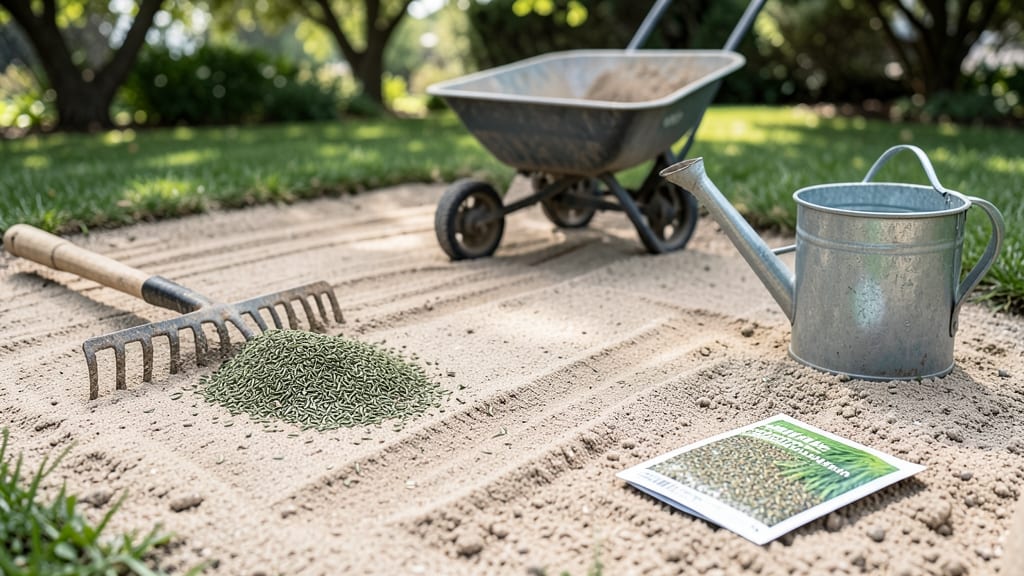
Autumn sowing lawn seed transforms bare patches into thick, lush grass before winter—when cooler temps and steady rains work in your favor. 🌱 I’ve seeded lawns in three different autumns, and the fall-planted grass always outgrows spring starts by summer.
The secret? Planting when weeds are dormant and soil stays warm enough for seeds to germinate without bolting.
You’ll need a level area, loose soil, the right seed mix, and a light cover (straw or netting) to protect newly sprouted blades.
Most regions benefit from seeding 4-6 weeks before first frost, but adjust for your zone—cooler climates (like mine in Zone 5) can start earlier than warmer areas. The key is getting seeds down while soil temps hover around 60-70°F—hot enough for germination, cool enough to avoid stress.
What you’ll end up with is a dense, weed-resistant lawn by next spring. The roots establish deep before winter, so your grass handles drought and foot traffic better than spring-seeded patches.
Plus, fewer weeds mean less competition for nutrients and water—your lawn’s foundation is already strong before spring growth even begins.
Works for new lawns, patch repairs, or overseeding existing thin spots. Here’s how to make it happen without the common autumn pitfalls like premature germination or frost damage.
📚 In This Guide
- What you need
- Instructions
- Tips and common mistakes
- Wrapping up and next steps
What you need
- ● High-quality lawn seed: Choose a cool-season grass blend (e.g., Kentucky bluegrass, fescue, or ryegrass) suited to your climate. Aim for 5–10 lbs per 1,000 sq ft, depending on seed type and bare spots.
- ● Lawn rake: A bendable-tine rake (for loosening soil) and a stiff-bristle rake (for leveling). Size: 18–24" wide for efficiency.
- ● Garden hoe or scarifier: To break up compacted soil or thatch. A bow rake works too!
- ● Broadcast spreader: For even seed distribution. Handheld or drop-type spreaders are ideal for small areas.
- ○ Soil test kit (optional but recommended): Check pH (ideal: 6.0–7.5) and amend with lime or sulfur if needed.
- ● Compost or organic fertilizer: A slow-release, nitrogen-rich option (e.g., 10-10-10) to feed new roots. Apply ½ lb per 100 sq ft.
- ● Water source + hose or sprinkler: A gentle rain nozzle or soaker hose for consistent moisture.
- ● Straw or peat moss: Lightly cover seeds with ¼" of straw to protect from birds and retain moisture.
- ● Soil aerator: For thick turf—rent or buy a core aerator to reduce compaction.
- ● Lawn roller (lightweight): Presses seed into soil gently (avoid heavy rollers!).
- ● Pre-emergent herbicide (if needed): Apply after seeding to prevent weeds—choose a grass-safe formula.
- ● Knee pads or gloves: Because crawling in dirt is not glamorous.
Step-by-step instructions for sowing lawn seed in autumn
Here's how to establish a dense, resilient lawn this fall—when cooler temps and steady rains create perfect conditions.
🪴 Step 1: Prepare the Soil for Optimal Seed Contact
Start by removing all existing vegetation, weeds, and debris from the area using a rake or sod cutter. Autumn’s mild weather makes this easier than summer, and you’ll avoid disturbing dormant weed seeds that spring would bring to life. Aim for a clean, level surface—any bumps or low spots will create uneven growth later.
Test your soil’s pH with a simple kit (ideal range for cool-season grasses is 6.0-7.0). If needed, apply lime or sulfur according to package directions, then till it into the top 3-4 inches of soil. This ensures your seed makes direct contact with nutrients and moisture—critical for germination. Let the soil settle for 24-48 hours before sowing to prevent clumping.
🌱 Step 2: Choose and Distribute Seed Evenly
Select a cool-season grass mix suited to your climate (e.g., fescue, ryegrass, or bluegrass blends). For a 4,000 sq ft lawn, you’ll need about 8-12 lbs of seed—check the package rate per 1,000 sq ft. Spread half the seed in one direction (north-south), then the remaining half perpendicular (east-west) to avoid clumps. Use a broadcast spreader for precision, or hand-scatter and lightly rake for smaller areas.
Lightly cover the seed with ¼ inch of fine soil or compost—this shields it from birds and wind while keeping moisture in contact. Avoid burying too deep; most lawn seeds need light to germinate. Gently tamp the soil with your feet or a roller to ensure seed-to-soil contact. You’ll see tiny green shoots within 7-14 days, signaling successful planting.
💧 Step 3: Water Strategically for Germination
Keep the soil consistently moist (not soggy) for the first 2-3 weeks—this is when roots establish. Water lightly 2-3 times daily (early morning is best) to maintain surface dampness. Aim for ¼ inch of water per session; use a rain gauge or tuna can to measure. Overhead sprinklers work, but avoid wetting the seed too heavily, which can wash it away.
Once seedlings reach 2 inches tall, gradually reduce watering to 1 inch per week. This encourages deep root growth. Watch for yellowing or wilting—these are signs of over- or under-watering. Autumn’s natural rainfall can reduce your effort, but check soil moisture daily until germination completes. A healthy lawn starts with patience here.
☀️ Step 4: Protect and Maintain New Growth
Lightly fertilize with a starter fertilizer (high in phosphorus) after germination but before the first mowing. This boosts root development without burning tender shoots. Avoid heavy foot traffic until the grass reaches 3-4 inches tall—walking on new seedlings compacts soil and stunts growth. Use a mulching mower when you first cut (set blades to 3 inches high) to return clippings as natural fertilizer.
Monitor for weeds early—pull them by hand before they compete with your grass. If frost threatens before the lawn is established (typically 6-8 weeks), cover the area with straw or burlap to insulate seedlings. Come spring, you’ll have a thick, uniform lawn ready to handle summer heat—no patchy spots or bare patches.
Tips & tricks for perfect autumn lawn establishment
Autumn’s cooler weather gives your lawn the best chance to thrive—here’s how to maximize those conditions for a lush, resilient result.
Soil Preparation is Non-Negotiable: The 24-48 hour settling period after tilling lime or sulfur into the top 3-4 inches of soil is crucial. This prevents clumping that can smother seeds. I’ve seen too many lawns fail because people rushed this step—think of it as giving your seeds a cozy, stable bed to grow into. Use a garden fork to break up any remaining compaction after the 48 hours, especially if your soil feels hard when pressed.
Seed Distribution Secret: For that 4,000 sq ft lawn requiring 8-12 lbs of seed, split your spreader’s settings between passes—don’t overload the hopper. I learned this the hard way when my first attempt left clumps that grew into thick patches. Walk slowly in overlapping rows, and if you’re hand-scattering, use a stick to mark your path and maintain even spacing. The perpendicular second pass ensures no gaps where weeds can sneak in later.
Watering Precision Matters: Those 2-3 weeks of consistent moisture are make-or-break. I recommend setting a timer for your sprinkler—automatic systems help avoid the "I forgot" mistake. The ¼ inch per session guideline translates to about 10 minutes of sprinkler time (test with your tuna can). Early morning watering prevents fungal issues from evening dampness, and the light, frequent approach mimics autumn’s natural rainfall pattern perfectly.
Weed Prevention Starts Now: While you’re waiting for those 7-14 day germination signs, pull any weeds that sprout—even small ones. I’ve found that a corn gluten meal (optional but effective) applied after sowing can prevent weed seeds from germinating without harming your grass. It’s like giving your lawn a head start in the competition for space and nutrients.
Pro Tips for Sowing Lawn Seed In Autumn
- Autumn’s cooler weather gives your lawn the best chance to thrive—here’s how to maximize those conditions for a lush, resilient result.
- Soil Preparation is Non-Negotiable: The 24-48 hour settling period after tilling lime or sulfur into the top 3-4 inches of soil is crucial.
- Seed Distribution Secret: For that 4,000 sq ft lawn requiring 8-12 lbs of seed, split your spreader’s settings between passes—don’t overload the hopper.
Frequently asked questions
Got questions about sowing lawn seed in autumn? You’re not alone! Here are answers to the most common concerns—so you can tackle your project with confidence.
Why is autumn the best time to sow lawn seed?
Autumn’s mild temperatures and frequent rain create the perfect conditions for new grass to establish strong roots before winter. Cooler weather also reduces weed competition and stress on young seedlings, giving you a head start for spring’s lush green carpet.
How soon will I see results after sowing?
You’ll typically notice the first sprouts in 7–21 days, depending on the grass type and weather. However, expect a fully dense lawn in 4–6 weeks. Patience pays off—consistent watering and care during this time ensure long-term success.
How often should I water new lawn seed?
Keep the soil consistently moist (but not soggy) for the first 2–3 weeks. Water lightly 2–3 times daily (early morning is best) to encourage germination. Once seedlings are 2–3 inches tall, reduce to 1 inch of water per week. A sprinkler with a fine mist setting works best.
What if I miss autumn planting? Are there alternatives?
If autumn slips by, early spring (before weeds sprout) is your next best bet. Avoid late spring/summer sowing—heat and drought stress young grass. For instant coverage, consider sod or hydraulic seeding, though they’re pricier. Time is your ally here!
How do I prevent weeds or pests from ruining my new lawn?
Start with high-quality seed and a pre-emergent herbicide (applied after germination). For pests, use grub control in early fall and avoid over-fertilizing. If weeds pop up, hand-pull them early or spot-treat with vinegar (for small areas). Vigilance beats regret!
Can I overseed an existing lawn in autumn?
Overseeding in autumn thickens thin patches and revives tired grass. Mow low, rake out debris, and spread seed evenly. Focus on high-traffic areas or bare spots. Just avoid overseeding if your lawn has fungal diseases—wait until it’s healthy first.
Wrapping up and next steps
Autumn is your golden opportunity to transform a patchy lawn into a thick, vibrant carpet before winter sets in! By sowing lawn seed this season, you’re giving your grass the perfect head start—cooler temps, fewer weeds, and ideal moisture levels make it a foolproof strategy for success. 🌱
Ready to roll up your sleeves? Grab your seeds, tools, and a little patience—then head outside to plant your future green oasis. Need a refresher? Revisit our preparation tips or FAQs for extra confidence. Your lawn’s lush transformation starts now!