
Lawn
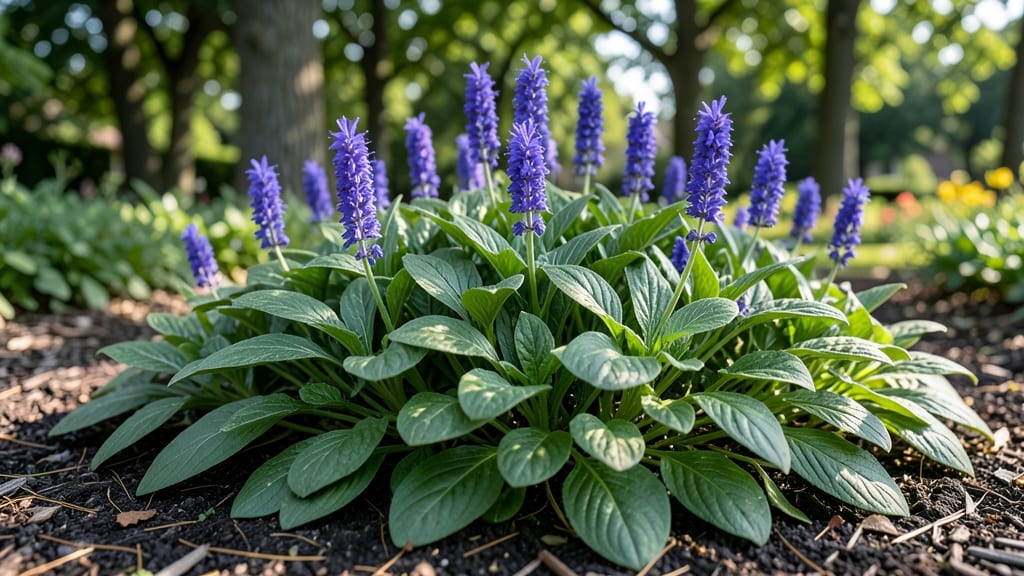
Those unexpected carpets of tiny purple flowers in your lawn aren't weeds—they're nature's pollinator magnets. 🌿 I've spent years watching clover, violets, and wild strawberries transform dull grass into a buzzing ecosystem, and I'm sharing how to encourage them intentionally.
The secret isn't seed packets or fancy tools—it's simply adjusting your mowing height and watering habits. These little blooms thrive where grass struggles, turning your lawn into a low-maintenance meadow that hums with bees and butterflies all season.
You'll end up with a lawn that looks intentionally wild, not neglected, while supporting local pollinators. The purple blooms appear in spring and linger through summer, creating a soft, textured carpet that feels alive underfoot.
Perfect for front yards, garden borders, or any space where you want beauty without the upkeep. Let's make your lawn work harder for wildlife!
The Hidden Triggers Behind Them
Those charming clusters of tiny purple flowers popping up in your lawn aren’t just a lucky accident—they’re often the result of specific conditions your yard might be unknowingly providing.
While they may seem like a delightful surprise, understanding why they appear helps you decide whether to embrace them or manage their spread. Let’s break down the science behind their sudden bloom.
Many of these purple bloomers—like clover (Trifolium) or creeping phlox (Phlox subulata)—are perennial wildflowers with seeds that can lie dormant in your soil for years. Here’s how it happens:
- Seed dispersal: Birds, wind, or even lawn equipment can deposit seeds from neighboring properties, gardens, or wild areas. A single seed can survive in soil for 5–10+ years before germinating.
- Trigger conditions: Seeds typically need three key factors to wake up:
- 🌧️ Moisture: A deep watering or rainy season can soften the seed coat, allowing water to penetrate.
- 🌡️ Temperature shifts: Cool springs or mild winters (followed by warming) signal seeds it’s “safe” to sprout.
- ☀️ Sunlight exposure: Some seeds need light to germinate, while others prefer darkness—so even compacted soil can harbor them.
- Lawn disturbances: Aerating, tilling, or even foot traffic can expose buried seeds to the perfect conditions.
Actionable fix: If you’re dealing with an unwanted invasion, consider pre-emergent herbicides in early spring (before seeds germinate) or hand-pulling blooms before they set seed. For pollinator-friendly yards, let them thrive—they’re a free snack for bees!
Healthy, dense grass out-competes weeds and wildflowers by blocking sunlight and nutrients. But when your lawn is weak, these purple interlopers seize the opportunity:
- Compacted soil: Heavy foot traffic, pets, or machinery compresses soil, reducing oxygen and water flow. This stresses grass roots, creating gaps where wildflowers take hold.
- Poor drainage: Areas that stay soggy after rain or pool water encourage shallow-rooted weeds and flowers to thrive where grass struggles.
- Nutrient deficiencies: Lawns lacking nitrogen, phosphorus, or potassium weaken over time, leaving room for hardier species.
- Disease or pests: Fungal infections (like brown patch) or grubs can kill patches of grass, leaving bare spots for seeds to colonize.
Actionable fix:
- 💡 Test your soil (DIY kits are cheap!) to identify deficiencies and adjust fertilization.
- ✨ Aerate annually to relieve compaction and improve root growth.
- 🌱 Overseed bare patches with a shade-tolerant or drought-resistant grass blend to crowd out intruders.
Mother Nature plays a huge role in when—and where—these flowers pop up. Specific weather patterns can turn your lawn into a wildflower buffet:
| Season | Trigger | Common Culprits |
|---|---|---|
| Early Spring | ❄️➡️☀️ Rapid thaw + warm spells | Creeping phlox, henbit, chickweed |
| Late Summer | 🌞 Drought stress + heat spikes | Clover, self-heal (Prunella), purple deadnettle |
| Fall | 🌧️ Consistent moisture + cooling temps | Violets, speedwell, wild strawberry |
Why it matters: These flowers often bloom when grass is already stressed by seasonal changes. For example, clover thrives in cool, moist springs because it germinates faster than grass in those conditions.
Actionable fix:
- 📅 Adjust mowing heights seasonally—taller grass in summer shades out weeds, while shorter cuts in fall prevent seed buildup.
- 💧 Water deeply but less frequently to encourage deep grass roots that outcompete shallow wildflowers.
- 🌡️ Monitor microclimates (e.g., shady spots stay damp longer), as these areas are hotspots for wildflower growth.
Here’s the silver lining: many of these tiny purple flowers are native wildflowers that evolved to thrive in open, undisturbed spaces—just like your lawn! If you’ve been using low-maintenance or eco-friendly lawn practices, you might be unintentionally creating a pollinator paradise:
- Reduced chemical use: Herbicides and synthetic fertilizers can kill beneficial microbes and insects that help grass recover. Without them, wildflowers fill the gaps naturally.
- Native soil microbes: Healthy soil teems with fungi and bacteria that boost seed germination for native plants, including these purple bloomers.
- Minimal tilling/aerating: Disturbing soil less preserves seed banks, leading to spontaneous (but welcome) wildflower displays.
Actionable tip: If you love the look, embrace it! Mow less frequently in late summer to let seeds set, and avoid raking up flower heads in fall. You’ll turn your lawn into a low-effort pollinator magnet.
Quick Fixes for Unwanted Purple Blooms
Got those charming but unexpected tiny purple flowers popping up in your lawn? Don’t stress—here’s how to manage them like a pro, whether you want to keep them or say goodbye.
Each solution is tailored to the why behind their appearance, so you can tackle the root cause while keeping your lawn lush and low-maintenance.
---
These tiny purple bloomers might actually be pollinator-friendly ground covers like creeping phlox, clover, or self-heal. If you’re okay with their presence (or even want to encourage them!), minimal action is needed.
#### 🔥 Keep Them Happy (If You Like Them) - 👨🍳 Mow Less Often: Set your mower to a higher setting (3–4 inches) to let them thrive without competition from grass. - 💧 Water Lightly: These plants often prefer drier conditions, so avoid overwatering to prevent fungal issues. - ✨ Spread the Word: If they’re spreading fast, gently rake seeds or runners into bare spots to fill thin areas naturally.
#### 🌡️ Prevent Overgrowth (If They’re Too Aggressive) - 🔪 Trim Strategically: Use a string trimmer or edging tool to contain them along borders or driveways. - 🎯 Spot-Treat with Vinegar: For stubborn patches, mix 1 gallon of water + 1 cup white vinegar + 1 tbsp dish soap in a spray bottle.
Target only the purple flowers (not your grass!) on a dry, wind-free day. Reapply as needed. - 💡 Pro Tip: These plants often indicate compacted soil. Aerate your lawn in fall to improve drainage and reduce their dominance.
---
Tiny purple flowers from weeds like chickweed, henbit, or purple deadnettle? These opportunists thrive in thin grass or disturbed soil. Here’s how to evict them for good.
#### 🍳 Manual Removal (Best for Small Patches) - 🔥 Pull When Soil is Wet: After rain or watering, grasp the weed at the base and tug gently (roots may come out easily).
For stubborn ones, use a weed-popping tool or a butter knife. - 🥘 Hand-Pick Daily: Spend 5–10 minutes a day removing new sprouts—consistency is key!
#### 🔪 Chemical-Free Weed Control - 🌡️ Corn Gluten Meal: Sprinkle 20 lbs per 1,000 sq ft in early spring or fall.
It’s a natural pre-emergent that stops weed seeds from germinating (but won’t kill existing weeds). - 🎯 Mulch or Grass Seed: Thick, healthy grass is the best weed deterrent. Overseed bare spots with fine fescue or clover in early fall.
#### 💡 Prevention Tips - 🌱 Improve Soil Health: Test your soil (pH 6.0–7.0 is ideal for most lawns).
Amend with compost to crowd out weeds naturally. - ⏰ Mow High and Often: Keep grass at 3–4 inches to block sunlight from weed seeds. - 🔥 Solarize in Summer: For stubborn weeds, lay clear plastic over the area for 4–6 weeks in peak sun to bake them out (works best in hot climates).
---
Tiny purple flowers from creeping thistle, oxalis, or other aggressive invaders? These need a firmer hand.
#### 🔪 Mechanical Removal - 🍳 Dig Deep: Use a dandelion digger or trowel to remove roots completely (even tiny pieces regrow!). - 🥘 Smother Them: Cover the area with cardboard + mulch for 3–4 months to block sunlight.
#### 💧 Vinegar or Boiling Water - 🌡️ Spot-Treat: Mix 1 part vinegar + 1 part water + 1 tbsp dish soap and spray directly on leaves (avoid desirable plants).
Repeat weekly until gone. - ⏰ Boiling Water: Pour boiling water into the base of the plant on a sunny day for instant kill.
#### 🎯 Long-Term Solutions - 🌱 Plant Competitors: Overseed with dense grass varieties or ground covers like creeping thyme to outcompete invaders. - 💡 Pre-Emergent in Fall: Apply a natural pre-emergent like corn gluten meal to prevent seeds from sprouting next year.
--- 💡 Final Pro Tip: Before reaching for chemicals, identify your purple blooms using a plant ID app (like PlantNet or iNaturalist). Some “weeds” are actually beneficial—like self-heal, which attracts bees and heals minor soil compaction! 🐝✨
Frequently asked questions
Are tiny purple flowers in my lawn always weeds?
Not at all! Many are beneficial wildflowers like clover, violets, or creeping phlox that support pollinators. These plants often indicate healthy soil and can reduce the need for watering. Only consider them weeds if they're spreading aggressively or you prefer a traditional grass lawn.
How can I tell if these flowers are good or bad for my lawn?
Look at their growth habits: shallow roots and rapid spread (like chickweed) usually mean they're outcompeting grass. Beneficial blooms like self-heal or wild strawberry have deep roots and improve soil health. Use a plant ID app to confirm before removing anything—some "weeds" are actually pollinator magnets!
Will removing these flowers damage my grass?
No, but timing matters. Pull them when soil is moist (after rain) to avoid disturbing grass roots. For large patches, use a spot treatment like vinegar solution (1:1 ratio with water) directed only at the flowers. Always remove the entire root to prevent regrowth.
Can I encourage more of these purple flowers intentionally?
Mow less frequently (3-4 inch height) and water deeply but infrequently to stress grass roots. These conditions create perfect spots for wildflowers. You can also scatter native wildflower seeds in late summer/fall when grass is dormant but soil is still warm.
Why do these flowers keep coming back every year?
Most have deep root systems or produce thousands of seeds that stay dormant for years. Even small pieces left in soil can regrow. The best prevention is consistent removal before seeds form, or improving lawn density through proper watering, mowing, and soil testing.