
Mower
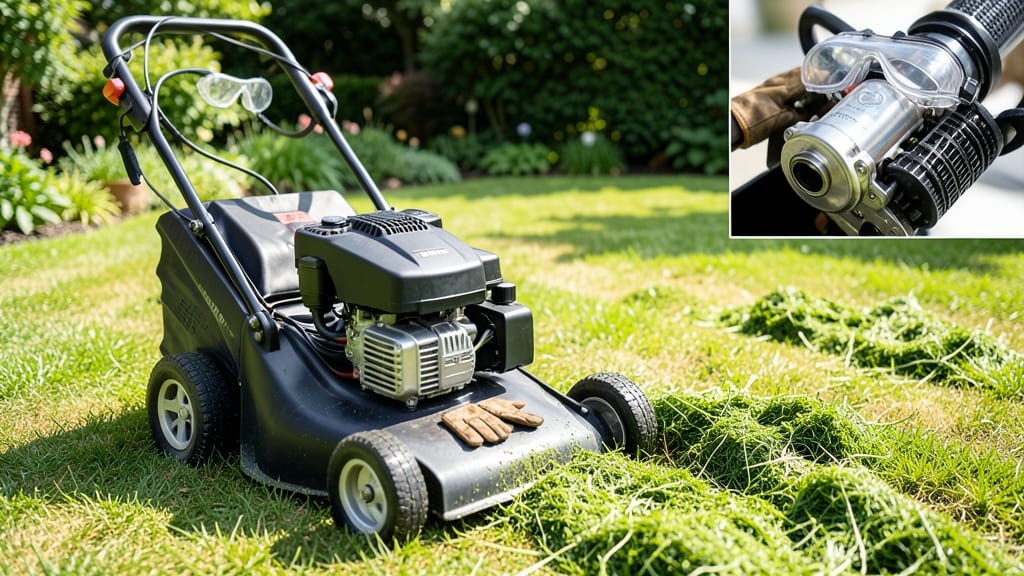
A hydrostatic lawn mower is a type of mower that uses fluid pressure to power cutting blades at variable speeds, replacing traditional gear or belt systems for smoother, more precise control over mowing height.
A hydrostatic lawn mower works by circulating hydraulic fluid through a sealed system to drive the blades.
Instead of relying on fixed gears or belts, this fluid-based mechanism adjusts speed instantly, letting you fine-tune the cutting height with just a lever. 🌿 This makes it ideal for uneven terrain or when you need to switch between grass and weeds quickly.
The system also requires less maintenance than traditional drives, since there are no belts to replace or gears to adjust over time.
What sets hydrostatic mowers apart is their ability to deliver consistent power across all blade speeds. Unlike belt-driven models that can slip under load or gear-driven ones that wear out faster, hydrostatic systems maintain performance even when tackling thick grass or rough patches.
For homeowners with sloped yards or those who prefer effortless height adjustments, this technology offers a noticeable upgrade in both convenience and efficiency.
💡 In This Article
- How Hydrostatic Drive Systems Work in Lawn Mowers
- Advantages of Hydrostatic Mowers for Yard Care
How hydrostatic drive systems work in lawn mowers
The hydrostatic drive system in lawn mowers operates on a simple yet ingenious principle: fluid displacement creates mechanical motion. At its core, this system uses a hydraulic pump to pressurize oil, which is then directed through a series of valves to a hydraulic motor connected to the cutting blade.
When you adjust the throttle lever, you're essentially controlling the flow rate of this pressurized oil, which determines how fast the blade spins. This creates an infinite range of speeds, unlike traditional gear-driven systems that offer only fixed ratios.
Here's where it gets fascinating: the system relies on two key components—the pump and the motor—that work in tandem. The pump converts mechanical energy from the engine into hydraulic energy by displacing fluid, while the motor converts that hydraulic energy back into mechanical energy to turn the blade.
What's unique is that hydrostatic systems eliminate the need for belts or gears, which means no slippage or wear-and-tear from friction. For example, a 20-inch hydrostatic mower can maintain 3,000 RPM at any height setting, whereas a belt-driven model might struggle to maintain consistent speed when climbing a slope.
The magic happens in the fluid itself—a specialized hydraulic oil designed to handle the pressures and temperatures generated during operation. This oil circulates through a sealed loop, with pressure regulated by a control valve that responds to your throttle input.
When you increase the pressure, more oil flows to the motor, making the blade spin faster. When you decrease it, the blade slows down proportionally. This real-time adjustment is what gives hydrostatic mowers their legendary smoothness, especially when transitioning between different cutting heights or terrains. 🔥
Let's compare this to traditional drive systems to highlight the differences. Belt-driven mowers use a pulley system where the belt stretches over time, leading to inconsistent blade speeds. Gear-driven models, while durable, offer limited speed variations and can wear out quickly on rough terrain.
Hydrostatic systems, however, provide infinite speed adjustment with no mechanical wear from belts or gears, making them ideal for homeowners who want precision without maintenance headaches.
Another standout feature is how hydrostatic systems handle uneven terrain. As the mower climbs a hill, the engine doesn't have to work harder to maintain speed—the hydraulic system automatically adjusts the blade speed to match the engine's output.
This self-regulation is a game-changer for yards with slopes or rough patches, where traditional mowers might struggle or require manual adjustments. The result? A smoother ride and more consistent cuts across your entire lawn.
Under the hood, you'll find components like the hydrostatic transmission unit, which houses the pump and motor, and the control valve, which governs fluid flow. These parts are designed to work together seamlessly, with the transmission unit often mounted directly to the engine to minimize energy loss.
The entire system operates quietly too, since there are no belts to squeal or gears to grind. For those who've used older mowers, this silence alone is a welcome upgrade.