
Mower
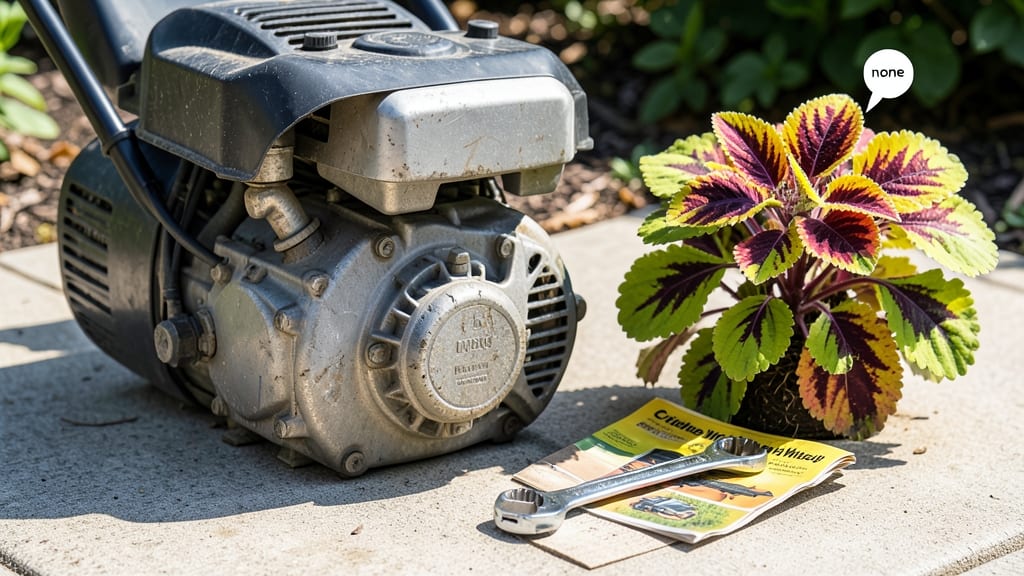
To find the spark plug on a lawn mower, look under the engine cover near the top of the engine block, where a rubber cap or wire connector usually marks its location. Always consult your owner’s manual for exact placement, since brands like Honda or Briggs & Stratton may have variations.
Finding the spark plug is easier when you understand why it’s placed where it is—engine designers position it for optimal ignition efficiency and safety.
Most lawn mowers use air-cooled engines, so the spark plug sits exposed near the top to help dissipate heat while maintaining easy access. 4-stroke engines (common in larger mowers) often have the plug on the side, while 2-stroke models (like some weed trimmers) may hide it under a protective cover. 🔥
If you’re working with a specific brand, the location can vary significantly. For example, Honda engines typically place the plug on the right side near the top, while Briggs & Stratton models might have it centered under the cover.
Always disconnect the spark plug wire before removal—this prevents accidental engine starts and protects your hands. A socket wrench (usually 5/8" or 13mm) is your best tool for the job.
💡 In This Article
- How to Locate a Lawn Mower Spark Plug by Engine Type
- Step-by-Step Guide to Finding Spark Plugs by Brand and Model
How to locate a lawn mower spark plug by engine type
Engine designers place spark plugs in strategic locations to balance performance, safety, and accessibility. In lawn mowers, the spark plug typically sits near the top of the engine block because this position optimizes ignition efficiency.
Air-cooled engines—common in most mowers—require the plug to be exposed to help dissipate heat, which prevents overheating during prolonged use. The plug’s placement also ensures it’s easily reachable for maintenance, as technicians need to check and replace it regularly without dismantling the entire engine. 🔥
Engine type dramatically affects spark plug location. 2-stroke engines (often found in smaller mowers and weed trimmers) usually have the plug tucked under a protective cover near the exhaust port, while 4-stroke engines (common in larger riding mowers) position it on the side or top of the engine block.
For example, a Briggs & Stratton 4-stroke engine might have the plug on the right side, whereas a Honda 2-stroke model could hide it under a rubber cap near the center.
The key visual clue is the wire connector—follow it back to the plug, as it’s the only component with a high-voltage wire attached.
Safety is another critical factor in placement. The spark plug’s location minimizes the risk of accidental contact with hot engine parts, especially in air-cooled designs where components can reach 200-300°F during operation.
Manufacturers also design the surrounding area to be easily accessible, often with a rubber boot or insulating cover to protect hands during removal.
Always disconnect the spark plug wire before touching the plug—even a small electrical charge can be dangerous, and the engine might still turn if the wire is connected. 💡
Consider the engine’s cooling system too. Liquid-cooled engines (rare in lawn mowers but found in some commercial models) may have the plug slightly recessed to protect it from coolant splashes, while air-cooled engines keep it exposed for better heat dissipation.
The plug’s position also affects maintenance—if it’s buried under layers of insulation or wiring, accessing it becomes more challenging. For instance, a Toro self-propelled mower might require removing a side panel to reach the plug, whereas a Husqvarna model could have it directly under the engine cover.
Always refer to your manual for exact specifications.
Here’s a quick visual reference for common engine types:
- 2-stroke engines: Plug near exhaust port, often under a rubber cap or protective cover
- 4-stroke engines: Plug on side or top of engine block, easily accessible near the top
- Air-cooled engines: Plug exposed for heat dissipation, typically near the top
- Liquid-cooled engines: Plug slightly recessed to avoid coolant exposure
Understanding these differences helps you troubleshoot issues faster. For example, if your mower won’t start, a misplaced or fouled spark plug could be the culprit.
Checking its location first saves time and frustration—especially when dealing with older models where the plug might be hidden under a layer of grime or insulation. 🔧