
Lawn
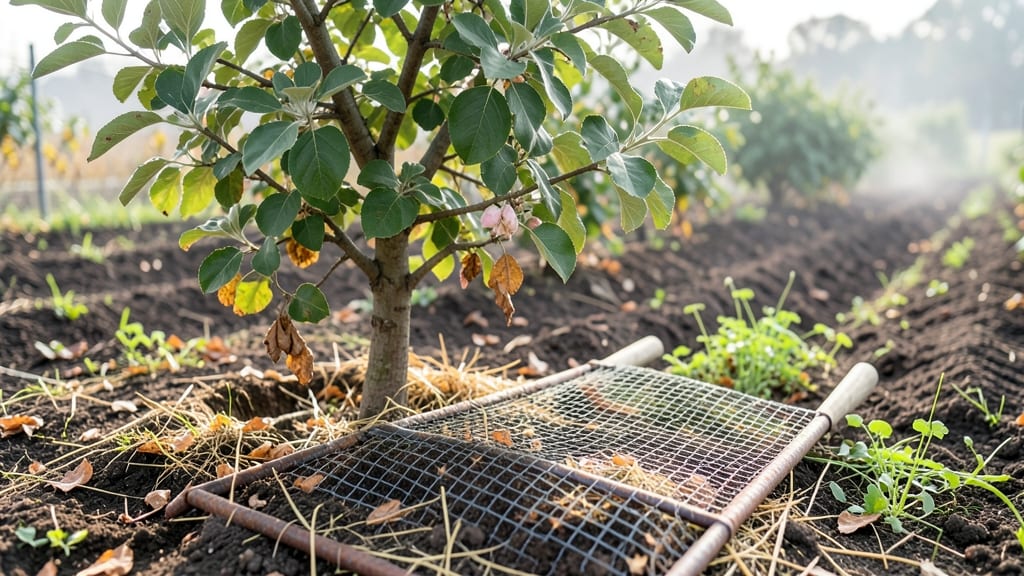
The yard guard lawn & tree care you need begins with spotting the silent threats lurking underground—grubs, invasive grasses, and more—and stopping them before they steal your yard’s beauty. care that works with nature, not against it.
The right approach combines seasonal timing, organic treatments, and proactive maintenance to keep your yard thriving year-round. You don’t need harsh chemicals; just a few key tools like a soil probe, a spreader, and the right granules can make all the difference.
My own yard went from brown spots to bold, green coverage in just two treatments.
You’ll learn how to spot early signs of damage, apply treatments at the perfect moments, and protect your trees from stress while keeping your lawn healthy. The results? Fewer weeds, stronger roots, and a yard that actually stays looking its best with minimal effort.
Works for both small patches and full lawns, and adapts to different climates. Let’s get your yard back to its best—without the guesswork.
📚 In This Guide
- What you need
- Instructions
- Tips and common mistakes
- Wrapping up and next steps
What you need
- ● Yard Guard Granules: 10–20 lbs (coverage depends on yard size; ~5 lbs per 1,000 sq ft for lawns, ~10–15 lbs for tree rings or high-infestation areas).
- ● Spreaders: Broadcast spreader: For even lawn coverage (e.g., Scotts Turf Builder or similar, calibrated for granular flow).
- ● Drop spreader: For precise tree ring applications (e.g., Brillion models with adjustable settings).
- ● Water source: Garden hose with adjustable nozzle (e.g.,, Rain Bird or Orbit spray stakes) or sprinkler system.
- ● Protective gear: Nitrile gloves (waterproof, 1–2 pairs).
- ● Safety goggles (ANSI-rated).
- ● Long-sleeve shirt and closed-toe shoes.
- ● Measuring tools: Measuring tape (25 ft for large yards).
- ● Calibrated spreader (to ensure even distribution).
- ● Soil test kit: To check pH levels (ideal range for Yard Guard: 6.0–7.0; adjust with lime/sulfur if needed).
- ● Mulch: 2–3 inches of organic mulch (e.g., pine straw or wood chips) for tree rings to retain moisture.
- ● Post-application marker: Flags or spray paint to mark treated areas (avoids over-application).
- ● Weather tracker: App (e.g.,, Weather Underground) to apply when rain is forecasted within 24–48 hours.
Step-by-Step instructions for Yard Guard lawn and tree care
Here's how to tackle grubs and invasive grasses with precision—your lawn will thank you.
Prepare Your Lawn for Treatment
Start by mowing your lawn to a height of 2-3 inches—this ensures even coverage and helps the product reach the soil where grubs and weeds lurk. Remove any debris or thatch from the surface, as clumps can block proper application. I always do this on a dry day, because damp grass makes it harder to see missed spots.
Next, water your lawn lightly the evening before treatment. The soil should be moist but not soggy—think of it as damp sponge, not dripping wet. This helps the granules stick to the blades and work their way down to the root zone where grubs feed. Skipping this step can leave patches untreated, and you'll definitely notice it when those brown spots pop up later.
Apply Yard Guard Granules Evenly
Measure out the Yard Guard granules according to the package instructions for your specific lawn size. I like to use a spreader set to the recommended setting—usually medium for most residential lawns. Walk in straight lines, overlapping slightly with each pass to avoid streaks. If you're treating trees, focus on the drip line (the edge of the tree's canopy) where grubs often congregate.
Pay extra attention to high-traffic areas and shady spots, as these are prime grub habitats. I always double-check my work by stepping back and scanning for missed patches. Uneven application is the fastest way to invite regrowth—you want every square foot covered, not just the obvious spots.
Water Immediately After Application
Within 15-30 minutes of spreading, water your lawn thoroughly until the granules are activated and absorbed into the soil. You'll know it's working when the granules dissolve slightly and the grass looks uniformly damp. This step is critical—without water, the granules won't reach the grubs hiding below the surface.
Use a gentle rain setting on your sprinkler to avoid washing granules away. I usually water for about 10-15 minutes to ensure full penetration. Afterward, avoid heavy foot traffic for 24 hours—this gives the treatment time to settle and start working without getting disturbed.
Monitor and Maintain for Long-Term Results
Check your lawn 7-10 days after treatment for signs of improvement. Healthy grass should show vibrant green growth, while grub damage will appear as brown, spongy patches that pull up easily. If you spot any lingering issues, repeat the treatment—consistency is key to breaking the grub cycle.
For trees, watch the canopy edges and base of the trunk for new signs of stress. If you notice wilting or yellowing leaves, it could mean grubs are still active deeper in the soil. In that case, a second application in 4-6 weeks will reinforce the protection. Regular mowing and proper watering (about 1 inch per week) will keep your lawn resilient against future invasions.
Tips & tricks for perfect Yard Guard lawn and tree care
These game-changing tips will help you achieve flawless results with Yard Guard—transforming your lawn from grub-infested to vibrant in no time.
Preparation is Key: In Step 1, when you mow your lawn to 2-3 inches, take an extra moment to clear any debris or thatch from the surface. I've seen clumps block granule coverage, leaving patches vulnerable to grubs. Use a stiff rake to really get into those tight spots—this ensures the granules can reach the soil where they'll do the most good. A dry day is ideal for this step because damp grass can make it harder to see missed areas, and you don't want any surprises later.
Spread Like a Pro: For Step 2, when applying the Yard Guard granules, I recommend using a calibrated spreader set to medium—this ensures consistent coverage. Walk in straight lines with slight overlaps, and don't rush! High-traffic areas and shady spots are grub hotspots, so pay special attention there. I like to step back every few rows to scan for missed patches—uneven application is the fastest way to invite regrowth. For trees, focus on the drip line where grubs often congregate.
Timing is Everything: The 15-30 minute window after application is critical for Step 3. Water thoroughly but gently to activate the granules without washing them away. I usually water for about 10-15 minutes to ensure full penetration—you'll know it's working when the granules dissolve slightly and the grass looks uniformly damp. Afterward, avoid heavy foot traffic for the full 24 hours to give the treatment time to settle and start working effectively.
Monitor for Success: In Step 4, when checking your lawn 7-10 days after treatment, look for vibrant green growth as a sign of success. Brown, spongy patches that pull up easily indicate lingering grub damage. If you see any issues, don't hesitate to repeat the treatment—consistency is key to breaking the grub cycle. For trees, watch the canopy edges and base of the trunk for signs of stress, as these areas are particularly vulnerable.
Pro Tips for Yard Guard Lawn & Tree Care
- These game-changing tips will help you achieve flawless results with Yard Guard—transforming your lawn from grub-infested to vibrant in no time.
- Preparation is Key: In Step 1, when you mow your lawn to 2-3 inches, take an extra moment to clear any debris or thatch from the surface.
- Spread Like a Pro: For Step 2, when applying the Yard Guard granules, I recommend using a calibrated spreader set to medium—this ensures consistent coverage.
Frequently asked questions
Got questions about keeping your yard pristine with Yard Guard? We’ve got answers!
Whether you’re tackling grubs, weeds, or just curious about the best timing, here’s what you need to know to protect your lawn and trees like a pro.
When is the best time to apply Yard Guard?
The ideal time to apply Yard Guard is early spring (March–April) and late summer (August–September)—when grubs are hatching or feeding aggressively. For weeds, apply in spring or fall when they’re actively growing. Avoid applying before heavy rain or extreme heat to maximize effectiveness.
Can Yard Guard be used on both lawns and trees?
Yard Guard is designed for lawns and ornamental trees, but not fruit or nut trees. Always check the label for specific plant compatibility. For trees, apply as a soil drench around the root zone, avoiding direct contact with bark or leaves.
What should I do if my lawn looks worse after applying Yard Guard?
If you see yellowing, wilting, or browning after application, you may have overapplied or used it on drought-stressed grass. Wait 48 hours before watering deeply, and avoid reapplying for 30 days. If damage persists, contact your local extension office for soil testing.
Is Yard Guard safe for pets and kids?
While Yard Guard is low-toxicity compared to synthetic pesticides, it’s still best to keep pets and kids off treated areas for 24–48 hours. Opt for the granular form for easier containment. Always store products securely and dispose of containers properly.
How long does one treatment last, and how often should I reapply?
A single application of Yard Guard provides 3–6 months of grub control and up to 12 weeks for weeds, depending on conditions. For year-round protection, apply twice a year (spring and fall). Monitor your lawn—if grubs return early, a third application in late summer may be needed.
What’s the difference between Yard Guard and traditional pesticides?
Yard Guard uses natural, microbial-based active ingredients (like Bacillus thuringiensis or Beauveria bassiana) to target pests, while traditional pesticides rely on chemicals. It’s safer for beneficial insects, breaks down faster, and won’t harm your soil long-term. Plus, it’s OMRI-listed for organic use!
Wrapping up and next steps
Taking care of your lawn and trees doesn’t have to be a battle against grubs and invasive grasses—it’s about precision, patience, and protection. With the right tools like Yard Guard, you’re not just treating symptoms; you’re fortifying your yard’s health for the long haul. 🌱✨
Ready to reclaim your outdoor space? Start by assessing your lawn’s needs, then roll up your sleeves for a targeted, eco-friendly approach. Your future self—and your yard—will thank you!