
Advice
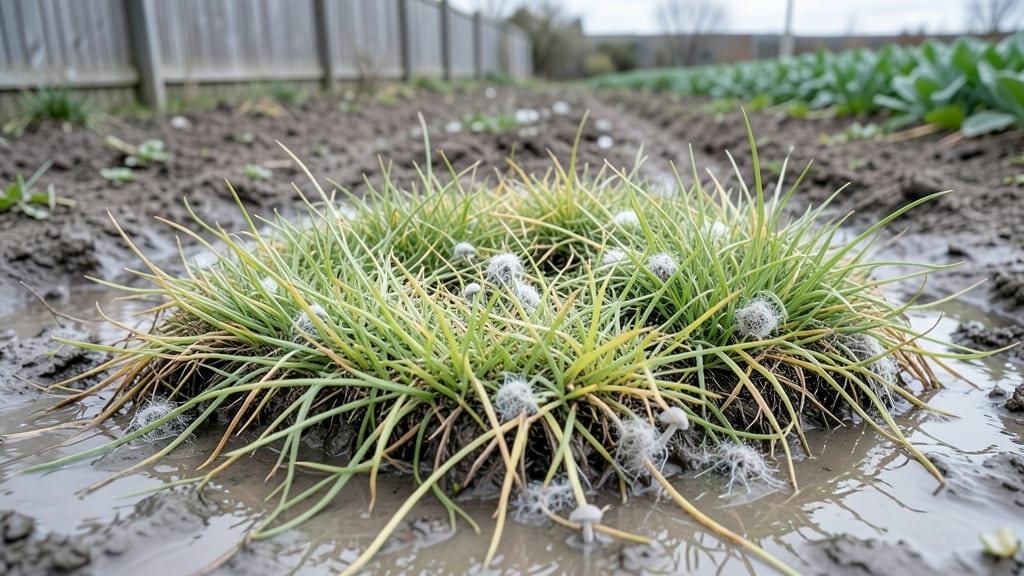
Overwatered sod can recover if drainage improves quickly and roots aren’t suffocated, but severe cases may require aeration, reduced watering, and mowing to revive it. Yellowing, spongy grass, or fungal growth signals stress—act fast to prevent permanent damage.
Your lawn’s recovery depends on how quickly you address the problem. When sod sits in waterlogged soil for too long, roots suffocate from lack of oxygen, creating the perfect breeding ground for harmful fungi like Rhizoctonia.
This can turn your vibrant green grass into a mushy, yellow mess within days. 💫 The good news? With proper aeration and adjusted watering habits, most lawns bounce back within a few weeks—if you catch it early.
I’ve seen cases where simply reducing water and raking out standing water revived grass that looked dead within just 10 days.
What many homeowners overlook is the importance of soil testing after recovery. Overwatering often leaches away essential nutrients, leaving your lawn vulnerable to future stress. That’s why I always recommend a soil test kit after reviving waterlogged sod—it helps identify what nutrients need replenishing to keep your grass thriving long-term.
💡 In This Article
- How Overwatering Damages Sod Roots and Soil
- Step-by-Step Recovery Plan for Waterlogged Lawns
How overwatering damages sod roots and soil
When sod sits in waterlogged conditions, the first casualty is oxygen. Grass roots need 15-20% oxygen in the soil to function properly, but water displaces this critical gas. Within 24-48 hours of continuous saturation, root cells begin suffocating as oxygen levels drop below 5%.
This triggers a cascade of problems starting with the roots' inability to absorb water efficiently—even though the soil appears flooded, the grass can't access it. The roots essentially drown, turning from white to grayish-brown as they rot.
Beyond suffocation, waterlogged soil becomes a breeding ground for anaerobic bacteria and fungi. Rhizoctonia solani, a common lawn pathogen, thrives in these conditions, producing enzymes that break down cell walls in grass roots.
You'll notice this as dark, spongy patches that smell sour when stepped on—a sure sign of fungal invasion. The soil's pH also shifts toward 6.0 or lower, making nutrients like nitrogen and phosphorus less available to the roots.
This nutrient leaching happens rapidly; studies show 30-50% of nitrogen can be lost within 7 days of overwatering.
The texture of overwatered sod gives away its distress. Healthy grass blades stand upright with firm, springy blades, but waterlogged sod feels limp and mushy—almost like a wet sponge.
The thatch layer (the organic matter between soil and grass) swells with excess moisture, creating an impenetrable barrier that blocks both air and water. This is why simply reducing watering isn't enough; the thatch must be physically broken up through aeration to restore proper airflow.
The key factor here is timing: roots can survive 3-5 days of flooding before permanent damage occurs, but beyond 7 days, recovery becomes increasingly difficult.
What most people don't realize is how overwatering affects the soil's microbial balance. Beneficial bacteria like Azotobacter and Pseudomonas that fix nitrogen and suppress pathogens die off in waterlogged conditions. Their absence means your lawn loses its natural defense system against diseases and pests.
The soil structure also degrades as clay particles swell with water, creating a dense, compacted layer that further restricts root growth. This is why lawns often develop a thin, weak root system even after the waterlogging stops—the damage to soil structure persists long after the immediate flooding.
Consider this comparison: a well-drained lawn maintains soil oxygen at 18-22% and supports root growth down to 4-6 inches. In contrast, waterlogged sod may have oxygen levels below 3% and roots confined to just the top 1/2 inch of soil.
This shallow root zone makes the grass more susceptible to drought and heat stress later on. The visual difference is striking—healthy sod has a deep green color from robust roots, while overwatered sod appears yellowish-green or brown due to chlorophyll breakdown from oxygen deprivation.
Here's what's actually happening at the cellular level: grass roots contain aerenchyma tissues that transport oxygen to submerged parts, but these tissues collapse under prolonged waterlogging. Without oxygen, root cells switch to anaerobic respiration, producing ethanol as a byproduct—similar to how yeast ferments sugars.
This toxic buildup kills root cells within 48-72 hours if conditions don't improve. The damage isn't just cosmetic; it's a biological shutdown of the root system that can take weeks to recover, if at all.