
Lawn
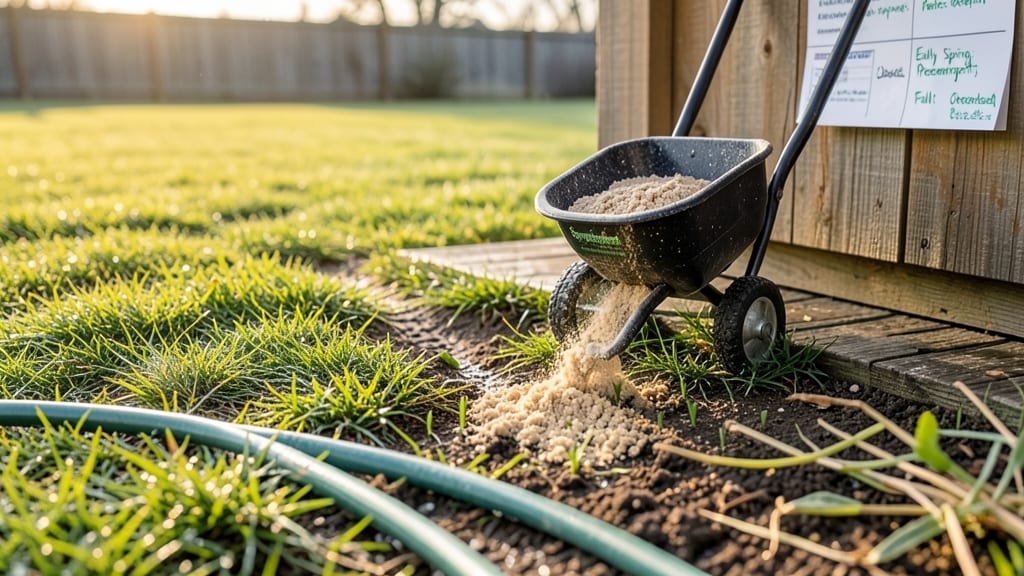
Chickweed may seem harmless, but it can quickly take over your lawn if left unchecked. Learn how to identify, remove, and prevent this persistent weed while keeping your grass lush and healthy—without harsh chemicals.
Star-Shaped Chickweed Identification Guide

If your lawn is dotted with tiny, star-shaped leaves and delicate white flowers, you’re likely dealing with star chickweed—a common but often misidentified weed. Unlike beneficial ground covers like clover or creeping thyme, chickweed spreads aggressively, smothering grass and creating thin patches.
Look for its distinctive five-pointed leaves (like a tiny star) and small white flowers that appear in spring. Chickweed leaves are smooth, oval, and arranged in opposite pairs along the stem, while its stems are hairy and sprawling. Confusing it with clover (which has trifoliate leaves) or dandelion greens (toothed edges) leads to wasted removal efforts.
Accurate identification is your first line of defense—pull chickweed before it spreads to neighboring plants. This method works best for early detection in spring when it’s still small and manageable. 🌿
Hand-Pulling Chickweed Early Spring Method

Spring is the perfect time to tackle chickweed before it spreads, but timing and technique make all the difference. When soil is moist (after a light rain or morning dew), the roots loosen easily, making hand-pulling effortless—especially for young plants. This method works best for small infestations where you can remove weeds without disturbing the surrounding grass.
Grab a pair of gardening gloves and pull chickweed at its base, ensuring you remove the entire root system. Avoid tugging when the ground is dry, as this can break the plant and leave stubborn roots behind. For extra leverage, use a weed-pulling tool to grip the base securely. Focus on early spring (March-April) when chickweed is still tender and hasn’t had time to establish deep roots.
This gentle approach is ideal for eco-conscious gardeners or those with young children and pets, as it avoids chemicals while keeping your lawn healthy. 💪
Corn Gluten Meal Pre-Emergent Barrier

Tired of chickweed popping up every spring? Corn gluten meal isn’t just a kitchen staple—it’s a powerful, organic pre-emergent that starves chickweed seeds before they germinate while feeding your lawn. Applied in early spring, it creates a natural barrier that’s safer than synthetic chemicals and won’t harm established grass.
Sprinkle 20 pounds per 1,000 square feet over damp grass before chickweed seeds sprout (typically February to March in most climates). The gluten breaks down slowly, releasing nitrogen to strengthen grass roots while blocking weed seeds from accessing moisture. Reapply after mowing or heavy rain to maintain protection.
Perfect for eco-conscious gardeners or those with kids/pets, this method prevents chickweed without the risk of chemical runoff. Just avoid applying when frost is forecasted. 🌱
Vinegar Spot Treatment for Chickweed

When chickweed stubbornly resists hand-pulling or mulching, a vinegar spot treatment delivers fast, chemical-free results without harming your grass. This targeted approach leverages acetic acid’s weed-killing power while protecting surrounding plants with precise application.
Mix 1 gallon of white vinegar (5% acidity), 1 cup dish soap, and 1 cup water in a spray bottle. The soap acts as a surfactant to help the solution cling to leaves, ensuring maximum absorption. Apply on a dry, sunny day—the heat amplifies the vinegar’s effectiveness, killing chickweed within 24-48 hours. Avoid spraying grass or desirable plants, as vinegar’s acidity can damage them.
This method is perfect for small, stubborn patches where you need quick results without resorting to synthetic herbicides. Just be prepared to reapply if chickweed regrows—it’s a temporary but eco-friendly solution. 💡
Mulching to Smother Chickweed Growth

Tired of chickweed creeping into your lawn edges and garden borders? A thick layer of organic mulch (like wood chips or straw) can suffocate this weed while nourishing your soil—no chemicals required.
Apply 3-4 inches of mulch directly over chickweed-infested areas in early spring or fall. The mulch blocks sunlight, starving the weed’s shallow roots while breaking down to improve soil structure. For best results, refresh the layer annually to maintain coverage and suppress regrowth.
This method is ideal for gardeners who prefer low-maintenance, eco-friendly solutions—especially along pathways, flower beds, and lawn perimeters where chickweed thrives. 🌿
Boiling Water Extraction Technique

When dense chickweed clusters take over your lawn, boiling water offers a fast, chemical-free solution—but only if applied correctly. This method delivers instant results by killing chickweed roots on contact, making it ideal for stubborn patches that resist other methods.
Start by pouring small, controlled amounts of freshly boiled water directly onto the chickweed clusters using a kettle or watering can. Focus on the base of the plants where roots meet soil, and avoid oversaturating the surrounding grass. For large areas, work in small sections to prevent steam from spreading too far. The high heat disrupts cell structure, killing chickweed within minutes while leaving grass unharmed if applied carefully.
This technique is perfect for urban gardeners or those with small lawns who want a quick fix without chemicals. Just time it for early morning or late evening to minimize heat stress on grass. 💡
Dandelion Chickweed Confusion Solutions

Before you reach for the weed killer, pause: chickweed and dandelions look eerily similar, but treating them wrong could harm your lawn or garden. Chickweed has small, oval leaves with scalloped edges and delicate white flowers, while dandelions boast deeply lobed, jagged leaves and bright yellow blooms.
Chickweed thrives in cool seasons and often lies flat on the ground, while dandelions stand upright with their iconic toothed leaves and taproots. Chickweed is edible and even beneficial for pollinators, so misidentifying it could lead to unnecessary removal. For a quick test, check the leaf arrangement: chickweed grows in opposite pairs, while dandelions have alternating leaves.
This distinction matters most for urban gardeners and beginners who want to avoid over-cleaning their spaces. Preserve chickweed’s benefits while targeting dandelions—your lawn will thank you! 🌿
Post-Removal Soil Aeration Tips

After removing chickweed, the real challenge is preventing its return. Soil aeration creates a dense, healthy lawn that naturally crowds out weeds—including chickweed—by improving root growth and nutrient absorption.
Rent or buy a core aerator to pull small soil plugs (about 3 inches deep) every fall or early spring, when chickweed seeds are most active. Follow up by overseeding with a chickweed-resistant grass variety like tall fescue or perennial ryegrass, which fills gaps and outcompetes weeds. Water lightly for 10-14 days to help seeds establish.
This method is ideal for homeowners who want a long-term, chemical-free solution—especially those with clay-heavy or compacted soil where chickweed thrives. 💪
Chickweed-Resistant Grass Seed Varieties

Tired of chickweed outsmarting your lawn care routine? Certain grass seed varieties are naturally better at crowding out this pesky weed, giving you a low-maintenance defense against future invasions. These types thrive in dense stands, leaving little room for chickweed to take hold.
Look for fine fescue blends, which form tight turf and tolerate shade—perfect for areas where chickweed thrives. Tall fescue is another top pick, thanks to its deep roots that outcompete weeds for nutrients. For sun-drenched lawns, Kentucky bluegrass creates a dense mat that suffocates chickweed seeds before they germinate. Plant these varieties in early fall for the best establishment and weed suppression.
These grasses are ideal for homeowners dealing with chronic chickweed problems or those who prefer preventive solutions over constant removal. With the right variety, you can enjoy a lush lawn that naturally resists weeds. 🌱
Seasonal Chickweed Prevention Calendar

Tired of chickweed making a yearly comeback? A seasonal prevention calendar is your secret weapon for a weed-free lawn—without constant battles. This isn’t just about reacting; it’s about strategically outsmarting chickweed before it even starts.
Start in early spring by applying a pre-emergent herbicide (like corn gluten meal) to block seeds from sprouting. In summer, focus on lawn density—overseed thin patches and mow at 3-4 inches to shade out chickweed. By fall, aerate and top-dress with compost to strengthen grass roots, making them less vulnerable to chickweed invasion next year.
This calendar works best for homeowners with moderate to large lawns who want a hands-off, long-term solution. With consistent seasonal care, you’ll break the chickweed cycle for good. ✨