
How To
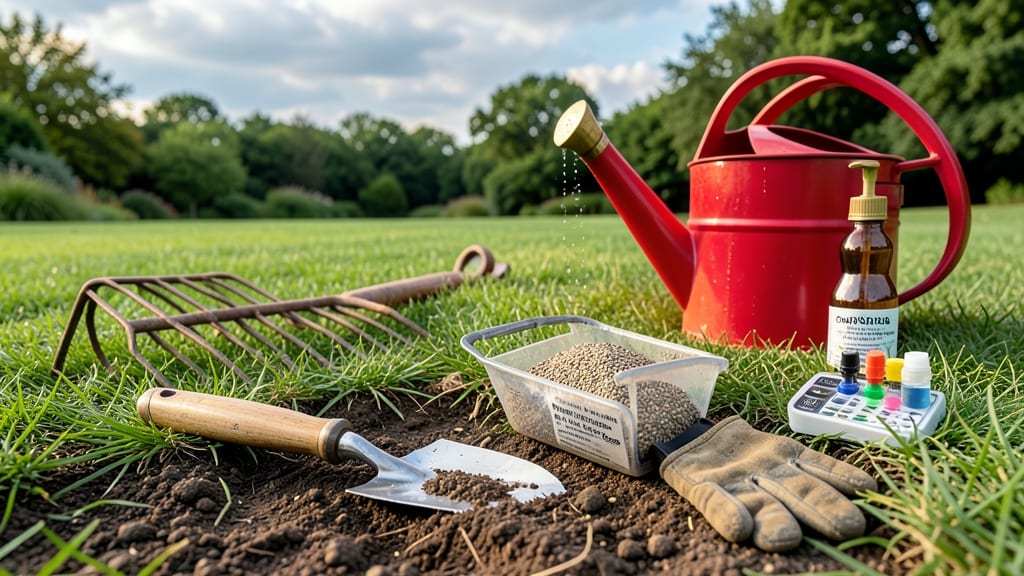
Your lawn’s yellow spots aren’t just unsightly—they’re a cry for help. 🌱 Here’s how to fix yellow spots in your lawn before they spread. I’ve spent years patching my own patchy lawn, and the key is diagnosing why those spots appear before treating them.
Fungal diseases, compacted soil, or even too much water can turn green grass into a sad, straw-colored mess—and the fix depends on the root cause (literally). The good news? Most yellow spots respond to simple fixes like adjusting watering schedules, aerating compacted soil, or applying targeted fungicides.
I’ve saved entire lawns by treating the problem early, not just covering it up with grass seed. The secret is precision—don’t just throw seed on dead patches and hope for the best.
By the end of this, you’ll know exactly what’s killing your grass and how to revive it without damaging the healthy roots. Think crisp, even green again—no more guessing. Let’s get your lawn back to its best in just a few steps.
First, grab a small shovel and dig into one of those yellow spots. Healthy roots should be white and firm, while dead roots feel mushy or crumble easily.
If the soil smells sour or you see thread-like fungal growth, you’re dealing with a disease like brown patch or dollar spot—common culprits in humid climates. Nutrient deficiencies often show up as uniform yellowing across the lawn, while pests leave behind irregular patches with chewed grass.
Once you’ve pinpointed the issue, the solution is straightforward. For fungal spots, a single application of fungicide (like propiconazole) usually does the trick, followed by improving airflow with proper mowing height. Compacted soil?
Rent an aerator or spike the area with a garden fork to let roots breathe. Overseed thin patches in late summer or early fall when conditions are ideal for new growth.
Prevention is easier than repair: water deeply but infrequently (early morning is best), sharpen your mower blades, and test your soil every few years.
If the spots keep coming back despite your efforts, it’s time to call a local lawn care pro—they’ll help you tackle stubborn issues like grubs or hidden drainage problems. Your lawn’s revival starts with a little detective work.
Root Causes of Lawn Yellowing
Yellow spots in your lawn aren’t just an eyesore—they’re a cry for help from your grass. Understanding the why behind these patches is the first step to restoring a lush, green carpet.
Below, we break down the most common culprits, backed by science, so you can diagnose the problem like a pro.
Fungal diseases like Dollar Spot, Brown Patch, or Rust thrive in warm, humid conditions and can turn your lawn into a yellowed battlefield. These pathogens feed on grass blades, disrupting photosynthesis and causing discoloration.
- How to spot it: Look for circular or irregular yellow/brown patches with a fuzzy or powdery texture (especially in early morning dew).
- Why it happens:
- Poor air circulation (thick grass or shade)
- Overwatering or infrequent watering (stresses grass)
- Excess nitrogen fertilizer (feeds fungi more than grass)
- Pro tip: Fungi love moisture—water early in the day to let grass dry before nightfall. 🌡️
Water is life, but improper watering is a fast track to yellow spots. Both drought stress and overwatering create conditions where grass struggles to absorb nutrients.
| Issue | Cause | Signs |
|---|---|---|
| Underwatering | Shallow roots from infrequent watering (grass relies on top 1–2 inches of soil). | Crispy, straw-like patches that recover after rain. |
| Overwatering | Compacted soil or poor drainage suffocates roots, leading to oxygen deprivation. | Soggy, spongy spots with a sour smell (anaerobic bacteria thrive here). |
| Uneven Watering | Sprinkler misalignment or slopes cause dry zones. | Striped or patchy yellowing along water flow paths. |
Actionable fix: Water deeply 1–2 times per week (1–1.5 inches total) and check soil moisture with your finger—if the top 2 inches are dry, it’s time to water. ⏰
Grass is resilient, but extreme conditions can push it to its limits. Yellow spots often appear when grass is chronically stressed by its environment.
- Heat/Drought Stress
- Why it happens: High temperatures increase water evaporation, and grass blades curl to conserve moisture, turning yellow.
- Hotspots: South-facing slopes or areas near driveways (heat radiates from pavement).
- Cold/Winter Burn
- Why it happens: Sudden freezes or wind desiccate grass blades, causing them to dry out and turn yellow/brown.
- Vulnerable areas: Exposed lawns or thin grass recovering from summer stress.
- Shade Stress
- Why it happens: Grass needs sunlight for photosynthesis. Shady spots (under trees or buildings) grow weak, yellow, and thin.
- Solution: Choose shade-tolerant grasses like Fine Fescue or overseed bare patches with a shade mix. 🌳
Insects like grubs, chinch bugs, or sod webworms feast on grass roots and blades, leaving behind yellowed, spongy patches that pull up easily.
- Grubs
- Damage: Chew roots, causing grass to lift and turn yellow in small, irregular patches.
- Signs: Moles or skunks digging in your lawn (they love grubs!).
- Chinch Bugs
- Damage: Pierce grass stems to suck sap, leading to rapid yellowing (common in St. Augustine grass).
- Signs: Wilting grass that recovers after rain (they hide in thatch).
- Sod Webworms
- Damage: Create irregular brown patches with a silky webbing on the soil surface.
- Signs: Adult moths flying at dusk (they lay eggs in warm, moist grass).
Quick test: Lift a suspect patch—if the roots are chewed or the grass pulls up easily, pests are likely the culprit. 🔍
Healthy soil = healthy grass. Yellow spots can signal nutrient imbalances or hidden soil problems.
- Nitrogen Deficiency
- Why it happens: Grass turns pale yellow (especially in new growth) when nitrogen (key for chlorophyll) is lacking.
- Fix: Apply a slow-release nitrogen fertilizer or compost. 💪
- Iron or Chlorosis
- Why it happens: Yellowing between veins (while veins stay green) often signals iron deficiency, common in alkaline soils.
- Fix: Test soil pH (ideal: 6.0–7.0) and apply iron supplements if needed.
- Salt or Chemical Burn
- Why it happens: Overuse of de-icers, herbicides, or fertilizers can create toxic zones where grass refuses to grow.
- Signs: Crispy, white-tipped grass or bare spots near sidewalks.
Pro tip: Conduct a soil test ($15–$20 at garden centers) to identify deficiencies or toxicity before treating. 📊
Now that you’ve pinpointed the likely cause, the next step is targeted solutions to revive your lawn—without harming the roots. Stay tuned!
Fixing Yellow Spots Step By Step
Now that you’ve identified the culprit behind those pesky yellow patches, it’s time to roll up your sleeves and restore your lawn’s lush green glory. Below are targeted solutions for each common cause, along with preventive tips to keep your grass thriving. Let’s tackle this like a pro!
Fungal infections like brown patch or dollar spot thrive in damp, shady conditions. To banish them:
- 🍄 Improve Airflow
- Thin out dense grass by mowing higher (3–4 inches) and aerating compacted soil.
- Trim overhanging branches or shrubs to let sunlight and air circulate.
- 💧 Adjust Watering Habits
- Water early in the morning (before 10 AM) to reduce humidity.
- Avoid overhead sprinklers; use soaker hoses or drip irrigation to keep leaves dry.
- Water deeply but less frequently (1–1.5 inches per week) to encourage deep root growth.
- 🧴 Apply Fungicide
- Use a systemic fungicide (like propiconazole or chlorothalonil) for severe infections.
- Follow label instructions—overuse can harm beneficial microbes.
- Pro Tip: 💡 Test a small area first to check for sensitivity.
- 🌱 Boost Lawn Resilience
- Overseed bare spots with disease-resistant grass seed (e.g., tall fescue or Kentucky bluegrass).
- Fertilize lightly with low-nitrogen, high-potassium fertilizer to strengthen roots.
Prevention: 🌡️ Mow regularly, avoid walking on wet grass, and rake up thatch buildup.
Yellow spots from intense sun or heat stress often appear in thin or newly seeded areas.
- 💦 Hydrate Deeply
- Water slowly and deeply (1–2 inches per week) to encourage deep roots.
- Early morning watering prevents evaporation.
- 🌿 Provide Temporary Shade
- Use lightweight shade cloth (30–50% coverage) over affected areas during peak sun (11 AM–3 PM).
- Plant fast-growing shade trees (like willow or silver maple) for long-term relief.
- 🌱 Overseed with Drought-Tolerant Grass
- Choose heat-resistant varieties like Bermuda grass or zoysia for sunny spots.
- Apply a starter fertilizer with mycorrhizal fungi to help roots absorb water.
Prevention: ✨ Mulch around the lawn’s edge to retain moisture, and avoid heavy foot traffic during heatwaves.
Grubs, chinch bugs, or moles create yellow patches by feasting on roots or tunneling underground.
- 🔪 Identify the Pest
- Dig up a small section of turf—if you see white grubs, chinch bugs, or mole tunnels, you’ve found your enemy.
- Quick Test: 🌡️ Place a board on the lawn; if ants swarm underneath, grubs are likely nearby.
- 💥 Apply Targeted Treatments
- Grubs: Use beneficial nematodes (natural) or imidacloprid granules (chemical).
- Chinch Bugs: Treat with bifenthrin or neem oil for organic control.
- Moles: Set humane traps or use castor oil-based repellents.
- 🌱 Rebuild the Lawn
- After treating, overseed and top-dress with compost to encourage root regrowth.
- Keep the area well-watered for 4–6 weeks post-treatment.
Prevention: 🎯 Encourage natural predators (birds, toads) by keeping a diverse lawn ecosystem with clover or wildflowers.
Yellow spots from waterlogged soil or soggy roots need immediate attention.
- 🚿 Fix Irrigation Issues
- Check sprinklers for leaks or overwatering—adjust timers to match your lawn’s needs.
- Replace clogged nozzles and ensure even coverage.
- 🏗️ Improve Soil Drainage
- Aerate compacted soil with a core aerator (rent or buy).
- Mix in sand or perlite to improve drainage in heavy clay soils.
- Pro Tip: 💡 Dig a small test hole—if water doesn’t drain in 6 hours, you’ve got poor drainage.
- 🌱 Reseed and Adjust Care
- Overseed with drought-tolerant grass if waterlogging is chronic.
- Reduce foot traffic on wet areas to prevent compaction.
Prevention: 🌡️ Test your soil’s drainage before planting—amend if needed with organic matter.
Too much salt, herbicide, or fertilizer can scorch grass and leave yellow patches.
- 💦 Rinse the Affected Area
- Water the spot heavily for 10–15 minutes to dilute chemicals.
- Avoid fertilizing until the grass recovers (usually 2–4 weeks).
- 🌱 Overseed and Soothe Roots
- Spread compost or peat moss over the area to buffer soil pH.
- Apply a low-nitrogen, high-potassium fertilizer to encourage recovery.
- 🚫 Avoid Future Burns
- Spot-treat weeds with vinegar or corn gluten meal instead of harsh herbicides.
- Follow fertilizer label rates—more isn’t better!
Prevention: ✨ Always water before applying pre-emergent herbicides to prevent burn.
Final Pro Tip: 🌟 Monitor and adapt! Yellow spots can have overlapping causes—combine solutions if needed. For stubborn patches, consult a local lawn care professional for a soil test and customized plan.
Your lawn’s comeback starts now—green fingers at the ready! 🌱💚
Frequently asked questions
Why do yellow spots appear in rings or patches rather than all over?
Yellow spots often form in distinct patterns because they’re caused by localized stress factors. Fungal diseases like dollar spot or brown patch spread from infected blades, creating circular patterns. Pests such as grubs or chinch bugs target specific areas where they feed, while uneven watering creates striped or patchy yellowing along sprinkler paths. Compacted soil or poor drainage also causes isolated soggy spots that suffocate grass roots.
Can I fix yellow spots without chemicals?
Start by improving soil health with core aeration to relieve compaction, then overseed with disease-resistant grass varieties. Adjust your watering schedule to deep but infrequent sessions (1–1.5 inches per week) and mow at 3–4 inches to boost airflow. For fungal issues, apply neem oil or baking soda spray (1 tablespoon per gallon of water) as natural alternatives.
How long does it take to see improvement after treating yellow spots?
Recovery time varies by cause: fungal treatments show results in 7–14 days if conditions improve (like reducing humidity), while overseeding takes 4–6 weeks for new grass to establish. Pest control may require 2–4 weeks for regrowth, and soil amendments (like compost) can take 3–6 months for full benefits. Consistency is key—monitor progress and adjust care as needed.
Will my lawn stay yellow if I don’t fix it now?
Yes, untreated yellow spots will likely worsen. Fungal diseases spread, pests multiply, and compacted soil suffocates roots over time, leading to thin, patchy grass that recovers poorly. However, some issues (like heat stress) may resolve on their own with proper watering. Act quickly for fungal or pest problems to prevent permanent damage and save money on costly reseeding later.
Can I use household items to fix yellow spots?
Yes! For fungal issues, mix 1 tablespoon baking soda + 1 teaspoon liquid soap per gallon of water and spray affected areas. Vinegar (1 part vinegar to 3 parts water) can spot-treat weeds causing stress, while cornmeal (applied lightly) deters fungal growth naturally. Avoid harsh cleaners like bleach—they can harm soil microbes and worsen problems. Test small areas first!