
Lawn
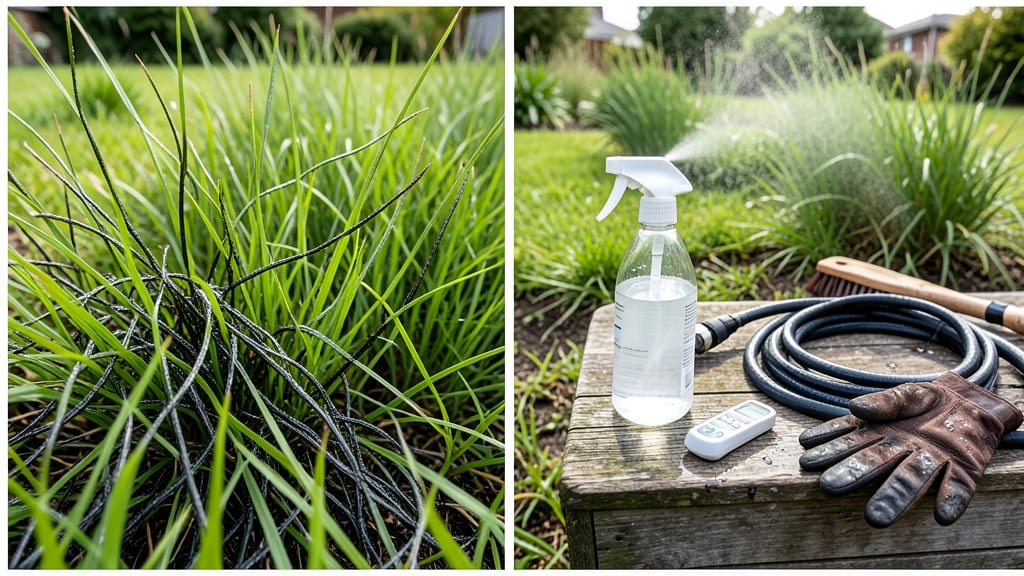
Lawn algae is generally not dangerous to humans but can indicate poor drainage or excess moisture, which may harm grass. Some algae types produce toxins harmful to pets or livestock if ingested, while others create slippery surfaces posing trip hazards. Safe removal involves manual raking or natural solutions like vinegar or hydrogen peroxide.
While lawn algae rarely poses direct health risks to people, certain types like cyanobacteria can release toxins that threaten pets and livestock. 🌱 These microscopic organisms thrive in stagnant water, creating greenish mats that disrupt grass growth by blocking sunlight and altering soil chemistry.
The real danger lies in prolonged exposure—some algae varieties trigger skin irritation or respiratory issues when disturbed, especially in humid conditions. For most homeowners, the bigger concern is the algae's impact on lawn health rather than personal safety.
To address the problem safely, focus on prevention first: improve drainage with soil amendments or install French drains if water pools persistently. For existing algae, a 1:1 vinegar-water solution sprayed directly on affected areas works well, though you may need to repeat treatments weekly.
Always wear gloves and avoid harsh chemicals near pets or children, as some commercial algae killers contain toxic ingredients that can linger in the environment.
💡 In This Article
- Health Risks of Lawn Algae: Toxins and Environmental Concerns
- Natural Ways to Remove Lawn Algae Safely
Health risks of lawn algae: toxins and environmental concerns
The real danger from lawn algae comes from specific types like cyanobacteria (often mistaken for algae), which produce toxins such as microcystin when conditions are right.
These toxins can cause liver damage in pets or livestock that ingest contaminated water or algae mats. 🌱 Studies show microcystin levels can spike in stagnant water with temperatures above 77°F, creating a high-risk scenario during summer months when algae blooms thrive.
Algae also disrupts lawn health by forming dense mats that block sunlight from reaching grass roots, leading to yellowing and thinning. The decaying algae alters soil pH—typically making it more acidic—which inhibits nutrient uptake.
For example, a 1-inch thick algae layer can reduce grass growth by up to 40% by smothering roots and competing for nitrogen, phosphorus, and potassium.
For humans, direct contact rarely causes harm, but disturbed algae spores can trigger allergic reactions in sensitive individuals. The spores contain proteins that may provoke sneezing, itchy skin, or mild respiratory irritation—similar to pollen allergies.
Unlike toxic algae blooms in lakes, lawn algae lacks the same concentration of harmful compounds, but prolonged exposure to decaying mats can create unpleasant odors and attract pests like mosquitoes.
Pets face the highest risk from toxic algae, especially dogs who may drink from puddles or ingest algae while playing. Symptoms of microcystin poisoning include vomiting, lethargy, or seizures, requiring immediate veterinary care.
Livestock grazing on algae-covered pastures may suffer liver damage over time, making proper identification of algae types crucial for property owners.
Environmentally, algae mats disrupt natural ecosystems by outcompeting beneficial microbes in the soil. Healthy lawns maintain a balance of 10,000+ microbial species per gram of soil, while algae-dominated areas see this diversity plummet by 70-80%.
This microbial collapse weakens grass resilience against drought and disease, creating a vicious cycle that requires intervention.
To assess risk, examine algae color and growth pattern: bright green, slimy mats often indicate toxic cyanobacteria, while dull green patches are usually harmless. Testing water samples from affected areas using home algae test kits (around $20-$30) provides concrete data before taking action.