
Pruning
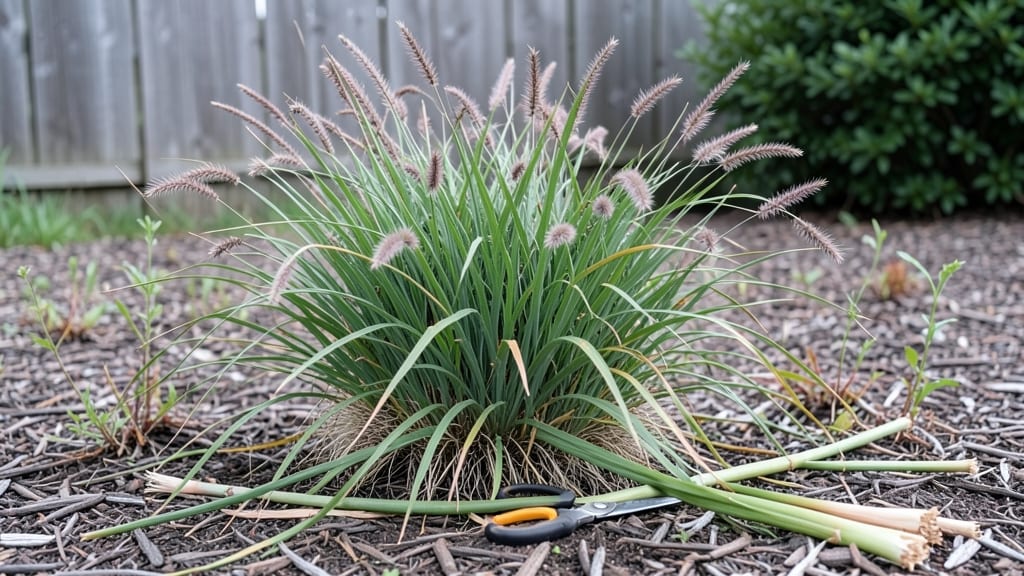
Pruning fountain grass transforms it from scraggly to showstopping. ✨ The key is timing—late winter or early spring before new growth starts—and using the right cuts to encourage that signature bushy shape.
I’ve pruned mine every year since 2018, and the difference is night-and-day: thick, layered plumes instead of sparse, floppy stems.
You’ll need sharp pruners or shears, gloves (those leaves are sharp!), and a clear day to avoid damp grass sticking to your tools. The goal is to cut back about one-third of the plant’s height, targeting the oldest, most woody stems first.
This forces fresh, vibrant growth from the base, keeping your fountain grass looking full and healthy all season.
After pruning, your grass will rebound with new, lush shoots within weeks, often by early summer. The secret is patience—don’t rush to shape it in the first year. Let it establish, and by year two, you’ll have a dense, layered masterpiece that stays tidy with minimal effort.
The best part? You can repeat this process in late summer for a second flush of growth.
Works for all Pennisetum varieties, from ‘Little Bunny’ to ‘Hameln’. Just avoid pruning in fall or winter—those old stems provide winter interest and protect the crown. Now grab those shears and let’s get to work!
📚 In This Guide
- What you need
- Instructions
- Tips and common mistakes
- Wrapping up and next steps
What you need
- ● Pruning shears or hedge clippers: Sharp, heavy-duty shears (16-20 inch blades recommended) for clean cuts. Pro tip: Disinfect blades with rubbing alcohol to prevent disease spread! 💡
- ● Garden gloves: A pair of durable, cut-resistant gloves (e.g., leather or reinforced fabric) to protect your hands from sharp blades and thorns.
- ○ Pruning saw (optional for thick stalks): A bypass pruning saw (8-10 inch blade) if your fountain grass has stubborn, woody stems.
- ● Loppers (for larger clumps): Bypass loppers (20-24 inch handles) for thicker stems that shears can’t handle.
- ● Rake or leaf blower: To clear debris after pruning and keep your workspace tidy.
- ● Watering can or hose: A 1-2 gallon watering can with a fine rose nozzle for post-pruning hydration.
- ● Compost or mulch: A 5-gallon bag of organic compost (e.g., leaf mold or well-aged manure) to nourish the soil after pruning.
- ● Pruning spray: A 16 oz bottle of horticultural oil or fungicide spray to treat cuts and prevent fungal infections.
- ● Knee pads: For comfort if you’re working with large or ground-level fountain grass clumps.
- ● String or measuring tape: To mark even pruning lines for a polished look.
- ● Safety glasses: If your grass is particularly thorny or you’re using power tools.
Step-by-Step instructions for pruning fountain grass
Here's how to keep your fountain grass looking full and vibrant all year—no guesswork involved.
✂️ Step 1: Time Your First Cut for Spring Awakening
Wait until early spring when new growth appears—about 3-4 weeks after the last frost date in your zone. You'll see fresh, bright green shoots pushing through the old clumps. This is your signal that the plant is waking up and ready for its first haircut of the year.
Use clean, sharp pruners or a hedge trimmer to cut back the entire plant by one-third of its height. Don't worry about being perfect here—just remove the dead, brown centers and any straggly stems. The goal is to encourage fresh, healthy growth from the base rather than letting the plant stretch out thin and leggy.
Real talk: If your fountain grass looks like a tangled mess right now, don't panic. Even if it's 60% dead, the roots are still alive and will bounce back with proper pruning. Just cut back to where you see green growth emerging from the center.
✂️ Step 2: Shape Throughout the Growing Season
In late spring and summer, give your fountain grass a light trim every 4-6 weeks to maintain its shape. You'll notice the blades growing longer and starting to flop or look uneven. This is when you want to step in and tidy things up.
For a natural look, use your hands to gently shape the outer edges while leaving the center full. For a neat, formal shape, use a hedge trimmer to cut straight lines. Always trim just above a leaf node—you'll see little bumps along the stems where new growth emerges. Cutting above these ensures you don't accidentally remove the growing point.
Here's the thing—fountain grass grows fast, so don't go overboard with the cuts. Removing more than one-third of the plant at once stresses it out and can lead to bare spots. Think of it like giving your grass a light haircut, not a buzz cut.
✂️ Step 3: Prepare for Winter with a Strategic Late-Season Cut
In late fall, after the first hard frost but before snowfall, give your fountain grass its final trim of the year. Cut back the entire plant by about half—this removes any remaining seed heads and weak stems that might not survive winter. You'll see the plant looking shorter and more compact, but that's exactly what you want.
Leave the trimmed grass in place over winter. The dead foliage acts like a natural blanket, protecting the crown from freezing temperatures. Don't rake it all away—just tidy up the edges so it looks neat but still provides coverage. In early spring, you'll remove the old growth as part of your first cut.
I know it seems counterintuitive to leave dead grass standing, but trust me—this is how fountain grass stays healthy and bushy. The old growth insulates the new shoots until they're strong enough to stand on their own.
✂️ Step 4: Revive and Refresh in Late Winter
In very late winter (just before the last frost), give your fountain grass a light cleanup to remove any remaining dead material. You'll see the old, brown blades crumbling away naturally, but use your hands or a rake to tidy up any stubborn bits. This step is optional but makes a big difference in how neat your garden looks as spring approaches.
Now is also the time to check for damage. Look closely at the base of the plant—if you see blackened or mushy stems, it's a sign of rot. In this case, trim those stems back to healthy tissue immediately. Healthy tissue is firm and green just beneath the surface.
You've got this. By following these steps, your fountain grass will stay full, lush, and bushy all year—no more sad, bare clumps in the middle of summer.
Tips & tricks for perfect fountain grass pruning
These simple strategies will help you avoid common mistakes and keep your fountain grass thriving all year long.
Timing is Everything: The 3-4 week wait after last frost in Step 1 is crucial—this ensures the plant has enough energy to bounce back. If you prune too early, you risk cutting back new growth that's still vulnerable. I always check for those bright green shoots emerging from the center before making my first cut. This visual cue is your green light to start!
Tool Selection Matters: Sharp pruners are non-negotiable for clean cuts that heal properly. Dull blades crush stems instead of cutting cleanly, which can lead to ragged edges and potential disease entry points. For larger plants, a hedge trimmer works well—but always trim just above those leaf nodes mentioned in Step 2. I've seen too many bare spots from cuts that removed the growing points completely.
Winter Strategy: That late fall cut where you remove about half the plant might seem drastic, but it's actually protecting your grass. The dead foliage left standing acts as insulation, shielding the crown from freezing temperatures. I've had fountain grass survive winters with -15°F temperatures because of this simple strategy. Just remember to tidy up the edges so it still looks neat while providing coverage.
Damage Assessment: When checking for rot in Step 4, look for that firm, green tissue just beneath the surface. If you see blackened or mushy stems, trim back to where the healthy tissue begins. This is your plant's way of telling you it needs help. I've revived many fountain grasses that looked completely dead by simply removing the damaged portions and giving them a chance to regrow.
Pro Tips for Pruning Fountain Grass
- These simple strategies will help you avoid common mistakes and keep your fountain grass thriving all year long.
- Timing is Everything: The 3-4 week wait after last frost in Step 1 is crucial—this ensures the plant has enough energy to bounce back.
- Tool Selection Matters: Sharp pruners are non-negotiable for clean cuts that heal properly.
Frequently asked questions
Got questions about keeping your fountain grass looking its best? You’re not alone! Here are some of the most common queries—plus clear, actionable answers to help you prune like a pro.
When is the best time to prune fountain grass?
For neat, controlled growth, prune fountain grass after it finishes flowering in late summer or early fall. A light trim in spring (just before new growth) keeps it tidy. Avoid heavy cuts in winter—this grass is dormant and needs protection. Pro tip: If your grass looks ragged mid-season, a quick shape-up with sharp shears is fine!
How much can I cut back fountain grass at once?
Never remove more than 1/3 of the plant’s height in a single pruning. Fountain grass thrives on gradual shaping. For mature clumps, trim back 3–6 inches to encourage bushiness. If you over-cut, it may take longer to recover—patience is key! Warning: Avoid cutting into the hard, woody base (the crown).
What should I do if my fountain grass looks brown or crispy after pruning?
Brown tips or dry patches often mean over-pruning, stress, or underwatering. First, check the soil—fountain grass prefers well-draining, slightly moist conditions. If the damage is minor, trim away the dead fronds and water deeply. For severe browning, fertilize lightly with a balanced, slow-release fertilizer to encourage regrowth.
Can I prune fountain grass in winter?
Minimal trimming is okay in mild winters, but avoid heavy cuts when temps drop below 30°F (-1°C). If you must prune, wait until late winter or early spring (just before new shoots appear). In colder climates, leave the grass untouched until spring—its dead foliage actually protects the crown from frost.
What’s a good alternative if I don’t want to prune fountain grass often?
If maintenance feels like too much, consider low-maintenance grasses like Muhlenbergia capillaris (pink muhly) or Pennisetum alopecuroides (fountain grass varieties like ‘Hameln’). These still have plume-like texture but require minimal shaping. For a zero-prune option, try sedges (Carex spp.) or ornamental bamboo (Fargesia)—both stay lush with little effort!
Still stumped? Drop your fountain grass pruning dilemmas in the comments—we’re happy to help!
Wrapping up and next steps
Pruning fountain grass isn’t just about keeping it tidy—it’s your secret weapon for year-round vibrancy. By mastering the right timing, techniques, and tools, you’ll transform your grass into a lush, bushy masterpiece that steals the show.
Whether you’re a seasoned gardener or just starting, every snip brings you closer to that wow-worthy landscape.
Ready to take the next step? Grab your shears, pick a sunny day, and give your fountain grass the TLC it deserves! 🌿✨ For extra flair, experiment with shapes or share your progress—your garden (and neighbors) will thank you.