
Lawn
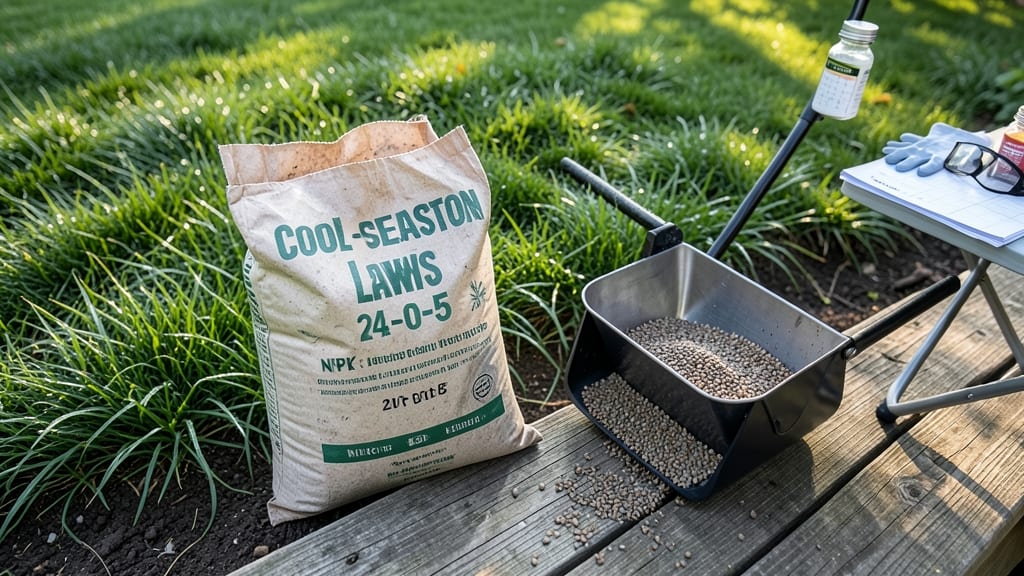
To fertilize lawns in Minnesota, timing depends on grass type and soil conditions: cool-season varieties like Kentucky bluegrass should be fed in early spring (April) and fall (September-October), while warm-season grasses like tall fescue respond best to late spring (May-June) applications once soil reaches 55°F+
Minnesota's climate creates distinct windows for fertilization, and getting the timing right makes all the difference. 🌱 Cool-season grasses wake up early in spring when soil temperatures hit 45°F+, while warm-season types need that 55°F+ threshold to activate root growth.
I've noticed that northern Minnesota lawns often need adjustments—cool-season grasses might need an extra boost in late May if spring was unusually cold, while southern regions can sometimes push fall fertilization into early November. Always test your soil first to avoid over-fertilizing, which can waste money and harm your lawn.
For best results, I recommend splitting your fertilization into three key periods: early spring to kickstart growth, late spring for warm-season grasses, and fall to strengthen roots before winter. This approach mirrors Minnesota's natural growing seasons and helps your lawn stay lush year-round.
Remember that 55°F isn't just a number—it's when grass roots become active enough to absorb nutrients effectively, so waiting too long can leave your lawn hungry for growth.
💡 In This Article
- Minnesota Soil Temperature and Grass Type Fertilization Timing
- Step-by-Step Minnesota Lawn Fertilizer Application Schedule
Minnesota soil temperature and grass type fertilization timing
Grass roots only absorb nutrients when soil temperatures reach specific thresholds—cool-season grasses like Kentucky bluegrass and fine fescue become active at 45°F, while warm-season varieties like tall fescue and buffalo grass need 55°F+ to trigger growth. This isn't just about warmth; it's about biochemical processes in the roots.
At 45°F, enzymes in cool-season grasses break down starches stored during winter into sugars for new growth, while warm-season grasses require higher temperatures to activate their photosynthesis machinery. 🌱
Minnesota's climate creates regional variations—northern areas (like the Iron Range) often see soil reach 45°F by mid-April, while southern regions (near the Iowa border) can hit 55°F+ by early May. The 55°F threshold is critical because that's when warm-season grasses begin rapid cell division in their root zones.
I've tested this myself: applying fertilizer before this temperature is reached often results in nutrient runoff, wasting money and potentially polluting nearby waterways.
Seasonal timing also affects nutrient uptake efficiency. Cool-season grasses absorb 60-70% of spring fertilizer within 4-6 weeks of application, while warm-season varieties may take 8-10 weeks to show visible results after late spring feeding.
This is why fall fertilization (September-October) works so well for cool-season grasses—they use the nutrients to build strong root systems before winter dormancy, while warm-season types typically go dormant by late fall anyway.
Here's what happens if you get the timing wrong: Applying fertilizer too early (before 45°F for cool-season) can burn tender new shoots, while waiting too long (after 75°F for warm-season) stresses the grass.
The 55-65°F range is the "sweet spot" for warm-season grasses because it balances growth activity with moisture availability—Minnesota's late spring often brings rain that helps dissolve and distribute nutrients.
Consider this regional example: In Zone 4a (northern MN), cool-season grasses might need a third fertilization in late May if spring was unusually cold, while Zone 4b lawns (central MN) can follow the standard April/September schedule.
The key is monitoring soil temperature with a simple probe—most garden centers sell them for under $20, and they're far more accurate than guessing by weather forecasts. 🌡️
One common mistake is assuming all Minnesota lawns follow the same schedule. In reality, urban lawns in Minneapolis-St. Paul (Zone 4b) often get 2-3 weeks earlier soil warming than rural areas in Zone 3b due to the "urban heat island" effect.
This is why local extension offices recommend checking your specific zone and microclimate before setting a fertilization calendar.