
Fertilization
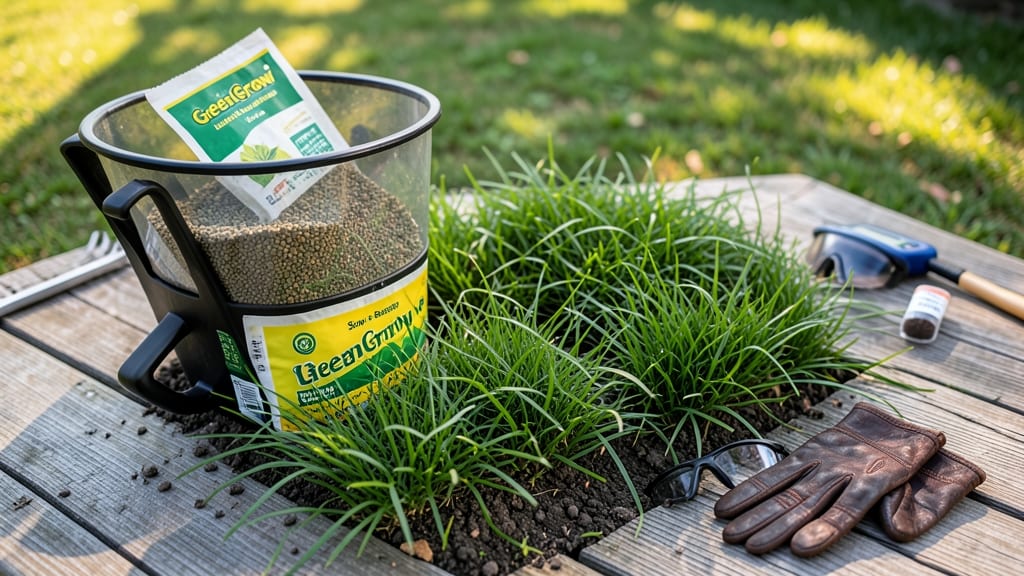
To fertilize lawns in North Texas, aim for early spring (March) and late summer/early fall (September) when soil temperatures stay between 60°F and 75°F, maximizing root growth and drought resistance while avoiding heat or cold stress.
Timing matters because North Texas summers hit 100°F+—fertilizing then burns grass roots, while winter chills slow nutrient uptake. 🌱 The 60°F–75°F window activates soil microbes that break down fertilizer into usable forms, giving your lawn a two-season boost.
I’ve seen fall applications (September) create greener grass through winter by building root reserves, while spring feeds kickstart growth before summer dormancy. For Bermuda grass, a late-summer feeding in August works too, but St. Augustine needs that September timing to avoid heat shock.
Pro tip: Test your soil first—North Texas clay often needs extra phosphorus for strong roots. If you’re using organic options like compost tea, apply it 2–3 weeks before synthetic fertilizers to let microbes establish. And always water deeply after applying—this pushes nutrients down where roots need them most.
💡 In This Article
- North Texas Soil Temperature and Seasonal Fertilizing Science
- Step-by-Step North Texas Lawn Fertilizing Schedule by Grass Type
North Texas soil temperature and seasonal fertilizing science
Soil temperature isn't just a number—it's the hidden conductor of your lawn's health. When North Texas soil hits that 60°F–75°F sweet spot, beneficial microbes wake up and start breaking down fertilizer into forms grass can actually use.
Think of it like a biological factory: at 60°F, microbes work at about 20% capacity, but by 75°F, they're operating at peak efficiency.
This is why March and September are prime times—spring warms soil just enough for microbes to activate while avoiding the 90°F+ summer heat that would stress grass roots.
Here's the science behind why fall feeding works so well: When you fertilize in September, your grass has 6–8 weeks of warm soil to absorb nutrients before winter dormancy. This creates a root carbohydrate reserve that lets your lawn stay green longer in cold snaps.
In contrast, summer heat causes fertilizer to "burn" grass because the rapid nutrient uptake overwhelms root systems. 🌱 The 60°F–75°F window also means less water evaporation, so nutrients stay available longer in the soil profile.
North Texas' drought cycles add another layer to timing. After our typical 3–5 inch rainfall deficits in summer, fall fertilizing helps rebuild soil moisture retention. The key is applying fertilizer when soil moisture is 4–6 inches deep—this ensures nutrients move down where roots need them most.
I've seen lawns in Dallas that got spring-only feedings struggle through summer because they lacked that deep root reserve built in fall.
Don't overlook the grass type differences: Bermuda grass thrives with summer heat but needs that late August feeding to handle September's transition. St. Augustine, however, prefers the September timing to avoid heat shock.
The 60°F–75°F rule applies to both, but the exact month shifts based on your grass's natural growth cycle. For example, cool-season grasses like ryegrass actually prefer 50°F–60°F soil temps for optimal uptake.
Consider this: A 1-pound bag of 16-4-8 fertilizer (common in Texas) contains 160 lbs of nitrogen per 1,000 sq ft. At 75°F soil, microbes convert 80–90% of that nitrogen into plant-available forms within 4–6 weeks.
But at 90°F+? That conversion drops to 40–50%, meaning you're essentially wasting half your fertilizer. That's why the timing window matters so much.
For organic options, the 60°F–75°F rule applies too—but with a twist. Compost tea or manure-based fertilizers need 2–3 weeks of warm soil to establish microbial colonies before applying synthetic boosters.
This layered approach mimics natural ecosystems where organic matter breaks down gradually, feeding grass over time rather than in one chemical rush. 💫