
Lawn
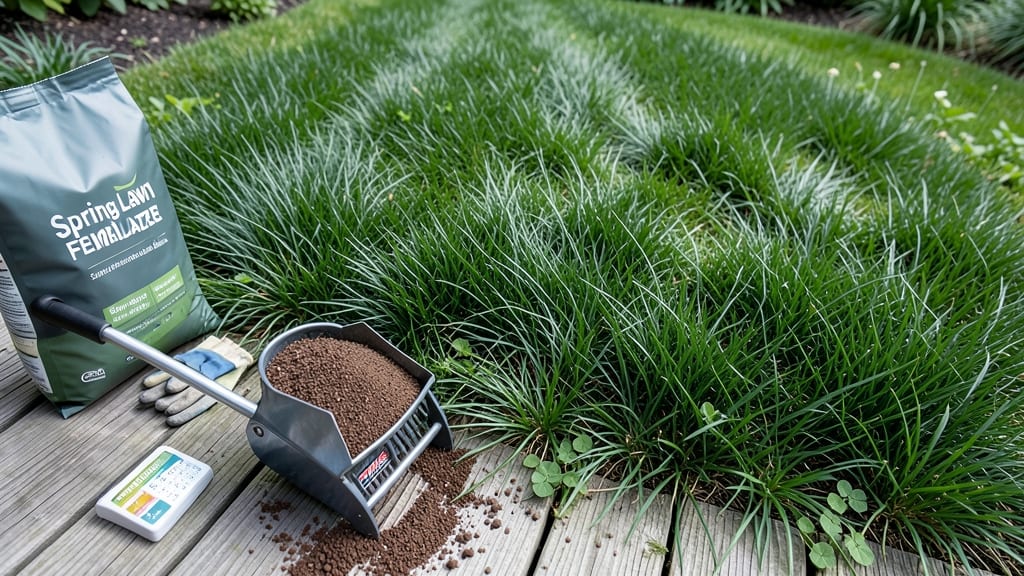
Fertilizing your lawn in Ohio at the right times can make the difference between a lush, green carpet and a patchy, struggling yard 🌱.
Ohio’s unpredictable spring freezes, humid summers, and cold winters make timing your lawn fertilization critical—get it wrong, and you’ll waste money or even harm your grass.
Most lawns here thrive on three key feedings: early spring to kickstart growth, late summer for recovery, and fall to strengthen roots before winter. But Ohio’s clay-heavy soils and microclimates mean one-size-fits-all schedules don’t work.
Below, I break down the soil test-based schedule that keeps your grass healthy year-round, plus how to adjust for Northern vs. Southern Ohio’s unique growing seasons.
Ohio’s 4 fertilization windows based on soil test results
Ohio’s clay-heavy soils and variable climate demand precise fertilization timing. A soil test reveals your lawn’s needs, but even perfect results require season-specific adjustments. Phosphorus (P) and potassium (K) levels below 25 ppm signal deficiency, while organic matter below 3% means your soil lacks vital nutrients.
I’ve broken down the four key fertilization windows based on Ohio’s growing seasons and soil science.
Your first fertilization should happen in early spring (March-April) when soil temperatures reach 50°F. This kickstarts growth after winter dormancy.
A slow-release fertilizer with 24-0-5 NPK ratio works best—high nitrogen for leafy growth, minimal phosphorus (since Ohio soils often have enough), and potassium for root strength. Clay soils hold nutrients tightly, so avoid overapplying.
Ohio’s summer fertilization window opens in late June to early July, but only if your soil test shows low potassium (below 100 ppm). Heat stress weakens grass, so a potassium-rich feed helps recovery.
Skip this step if your soil is already high in potassium, as excess can burn roots. Water deeply after applying to help nutrients penetrate clay layers.
Fall fertilization is critical for winter survival. Aim for early September when grass roots are actively growing but before first frost. A low-nitrogen, high-potassium blend (like 10-0-20) strengthens roots without promoting late-season growth. Organic matter below 2%? Add compost to improve soil structure before winter.
Winter fertilization is a common mistake—never apply fertilizer when grass is dormant. Frozen soil locks out nutrients, and snowmelt can wash them away.
If your soil test shows phosphorus below 20 ppm, address it in spring with a bone meal amendment. Clay soils benefit from fall aeration to prevent compaction during freeze-thaw cycles.
Ohio’s clay soils retain moisture but compact easily, so always aerate before fertilizing. Use a core aerator in spring and fall to improve nutrient uptake.
If your soil test shows phosphorus above 50 ppm, reduce phosphorus in fertilizers—excess can harm microbial life. Potassium levels above 200 ppm are rarely needed unless your grass shows brown leaf tips.
For new lawns, skip spring fertilization—focus on establishment first.
Instead, apply a starter fertilizer (high phosphorus) at planting time. Mature lawns benefit from fall fertilization more than spring, as roots grow deeper to store nutrients for winter. Over-fertilizing in spring can lead to thatch buildup, which smothers grass.
Pro tip: Calibrate your spreader for Ohio’s clay soils—apply 20% less than recommended rates. Clay holds nutrients tightly, so less is often more. Always water after fertilizing to activate nutrients and prevent burn. Rainy springs can wash away fertilizer, so check soil moisture before applying.
Remember: soil tests save money. Ohio State University Extension offers affordable testing ($15-$20). Send a sample in late winter to plan your spring fertilization perfectly. Adjust your schedule based on your results—don’t fertilize blindly! 🌱
How to adjust fertilization for Ohio’s microclimates (north vs. south)
Ohio’s diverse microclimates mean your lawn fertilization schedule should differ between Northern Ohio (like Cleveland and Columbus) and Southern Ohio (like Cincinnati and Lexington). The shorter growing season in the north delays spring feeding, while the south’s milder winters allow for extended fall fertilization.
In Northern Ohio, wait until after the last frost date (around April 15) to fertilize, as early applications risk winter burn. Southern Ohio’s longer frost-free season lets you start 2-3 weeks earlier—often by early April—and extend fall applications until late October instead of mid-October.
Key difference: Northern lawns need stronger root protection in winter, while Southern lawns benefit from extra fall feeding to handle milder winters. Here’s how to adjust your approach:
For Northern Ohio lawns, focus on slow-release fertilizers in spring to prevent nutrient runoff before the growing season fully kicks in. Use a high-nitrogen blend (24-0-5) in late spring to boost green-up after winter dormancy.
In Southern Ohio, prioritize fall fertilization to strengthen roots before winter. Apply a low-nitrogen, high-potassium (10-0-20) mix in September to improve drought resistance—critical for the region’s hot summers.
Always check your local frost dates and adjust by 1-2 weeks if your area is warmer or colder than average. For example, Toledo’s first frost often comes 2 weeks earlier than Cincinnati’s—plan accordingly!