
Lawn
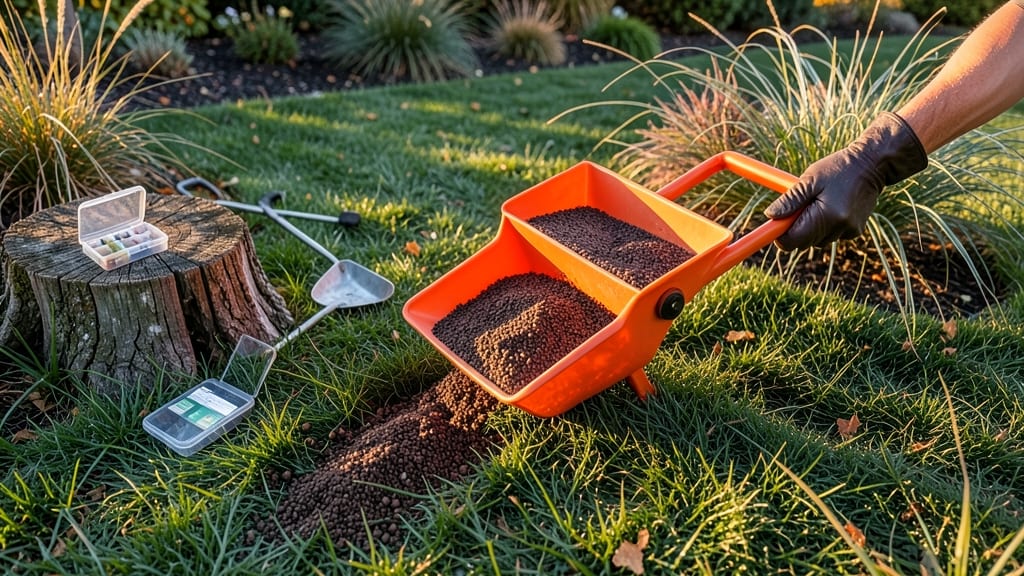
Fertilizing your lawn in Nebraska at the right time—early spring or fall—can mean the difference between a lush green carpet and a patchy, struggling yard.
Nebraska’s unpredictable climate—from scorching summers to harsh winters—demands a strategic lawn care plan, and timing your fertilization right is the key to a resilient yard. Miss the window, and you’ll either waste fertilizer on dormant grass or stress your lawn during heatwaves.
Most Nebraska homeowners focus on spring feeding, but fall fertilization is just as critical for root strength before winter. With the right schedule, you can avoid common mistakes like over-fertilizing or applying too late, saving time and money while keeping your 🌱 thriving.
Below, I’ll break down the exact months to fertilize, the best products for Nebraska’s soil, and how to adjust for drought or extreme weather—so you can stop guessing and start growing.
Optimal Nebraska fertilization schedule: spring vs. fall timing explained
Nebraska’s two critical fertilization windows—spring and fall—align perfectly with your lawn’s natural growth cycles. Spring feeding jumpstarts recovery from winter dormancy, while fall fertilization strengthens roots before cold sets in. The key difference? Soil temperatures trigger these events, not just calendar dates.
Eastern Nebraska’s warmer microclimate often allows for earlier spring fertilization (late March to early April), while western regions may wait until mid-April when soil temps consistently reach 50°F. This 5°F difference can mean the difference between a thriving lawn and one struggling to wake up.
For Kentucky bluegrass and tall fescue—Nebraska’s most common lawn grasses—spring fertilization should happen 4-6 weeks after dormancy breaks. This timing ensures your grass has enough energy to outcompete weeds before they germinate.
Pre-emergent herbicides must be applied before fertilization in spring, typically in March or early April, to prevent weed seeds from sprouting. The 30-day gap between herbicide and fertilizer application is critical—skipping it risks grass burn from chemical interactions.
| Fertilization Window | Key Soil Temp Trigger | Grass Growth Stage | Microclimate Adjustment | Pre-Emergent Timing |
|---|---|---|---|---|
| Spring (March-April) | 50°F+ consistently | Active growth begins | Eastern NE: Late March | Western NE: Mid-April | Apply 30 days before fertilizer |
| Fall (September-October) | 60°F+ (daytime) | Root development peak | Eastern NE: Early Sept | Western NE: Late Sept | Not applicable |
| Summer (June-July) | N/A (Dormancy risk) | Stress from heat/drought | Light feed only if irrigated | Avoid fertilizing |
| Winter (November-February) | Below 40°F | Dormancy | No fertilization | N/A |
Fall fertilization in Nebraska is all about root strength. Apply a high-potassium fertilizer (like a 10-10-20 blend) in September or early October when daytime temps stay above 60°F.
This timing helps grass store carbohydrates for winter survival, especially critical in Nebraska’s variable frost dates (October 15 in eastern regions vs. November 1 in western areas).
One common mistake? Fertilizing too late in fall. If you apply after mid-October, new growth may freeze before maturing, leaving your lawn vulnerable to winter kill. Use a soil thermometer to confirm temps stay above 50°F for 7+ days before fertilizing.
For drought-prone western Nebraska, consider a slow-release fertilizer in spring to reduce water stress. These formulations provide nutrients over 8-12 weeks, matching Nebraska’s 60-90 day growing season between frosts. Pair it with deep watering (1 inch per week) to maximize root penetration.
Pro tip: Aerate your lawn 2-3 days before fertilizing in both spring and fall. Nebraska’s compacted clay soils (common in eastern regions) benefit from 0.5-inch deep aeration holes, which improve nutrient absorption by 30-40%. This step is especially valuable if your lawn shows yellow patches despite regular feeding.
Remember, Nebraska’s USDA zones 5a-6b create distinct regional needs. Eastern lawns may need one extra spring feeding due to milder winters, while western lawns should prioritize fall root strengthening to combat drought stress.
Always test your soil pH (ideal: 6.0-7.5) before fertilizing—Nebraska’s alkaline soils often need sulfur amendments to optimize nutrient uptake.
How to choose the right fertilizer for Nebraska lawns (type, N-P-K ratio, and organic options)
Selecting the right fertilizer for Nebraska lawns depends on your grass type, soil conditions, and climate. Nebraska’s cool-season grasses like Kentucky bluegrass and tall fescue thrive with balanced nutrition, while buffalo grass (common in western regions) needs less frequent feeding.
The wrong choice can lead to burned grass or wasted money.
Start by checking your N-P-K ratio. Nebraska lawns typically need high nitrogen (N) for green growth, moderate phosphorus (P) for root development, and potassium (K) for drought resistance. A 24-0-5 ratio works well for most cool-season grasses, but buffalo grass may prefer a lower nitrogen option like 10-5-10.
Now, let’s compare slow-release vs. quick-release fertilizers to help you decide which suits your Nebraska lawn best:
Slow-Release Fertilizer
Pros
- Reduces burn risk with gradual release
- Fewer applications needed (every 6-8 weeks)
- Cost-effective for large Nebraska lawns
Cons
- Higher upfront cost per pound
- Less immediate green-up effect
- Requires proper timing for best results
Quick-Release Fertilizer
Pros
- Fast visible results in 1-2 weeks
- Lower cost per application
- Good for patchy lawns needing quick repair
Cons
- Higher burn risk if overapplied
- Requires more frequent applications
- Can leach into Nebraska groundwater if overused
For organic options, consider compost tea or bone meal. Compost tea improves soil health and microbial activity, while bone meal adds phosphorus for root growth. Alfalfa meal is another great organic choice, providing a balanced 2-1-2 N-P-K ratio perfect for Nebraska’s cool-season grasses.
These options are safer for children and pets but require more frequent applications.
Deciding between DIY vs. professional application depends on your lawn size and experience. For smaller lawns (under 5,000 sq ft), DIY spreaders work well and save money. Larger properties or high-maintenance grasses like Kentucky bluegrass may benefit from professional services, which include soil testing and customized blends.
Professionals often use liquid fertilizers for even distribution, especially in uneven Nebraska landscapes.
Always follow label instructions and adjust based on your grass type. Test your soil every 2-3 years to monitor nutrient levels and avoid over-fertilizing, which can harm Nebraska’s delicate ecosystems. With the right fertilizer, your lawn will stay green, resilient, and healthy through Nebraska’s changing seasons. 🌱