
Lawn
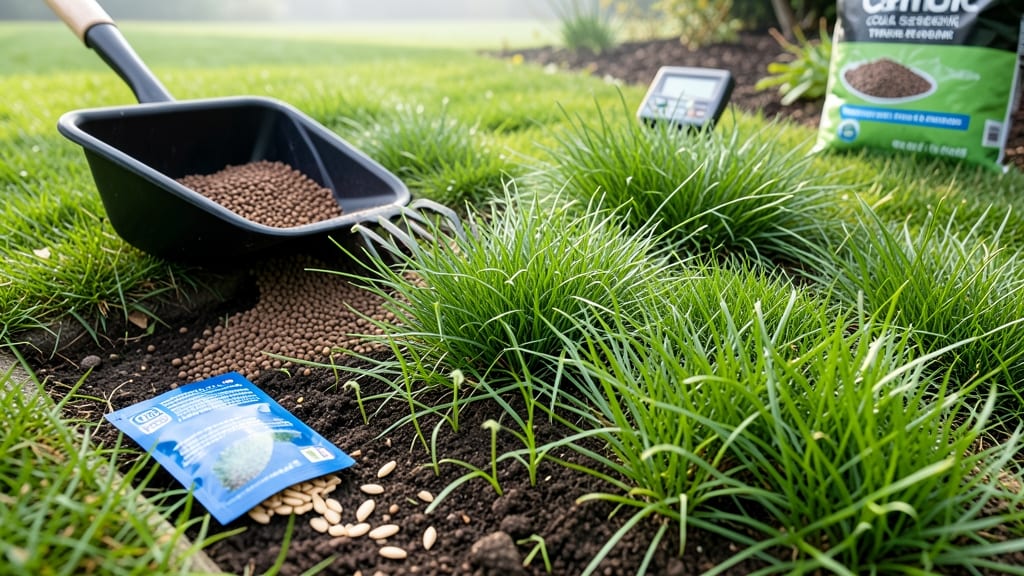
To seed and fertilize lawn at the right time means the difference between a thick, vibrant green carpet and a patchy, weak mess that never quite recovers.
You’ve probably spread seed or fertilizer only to watch it struggle—maybe the grass sprouted slowly, or the leaves turned yellow before it even took hold. That’s because timing matters more than most people realize, and doing it wrong can waste money and leave your lawn vulnerable to weeds and drought.
Early spring and early fall are the golden windows for seeding lawn grass 🌱 in Zone 6, when soil temperatures hover in the sweet spot of 50–65°F.
Fertilizing too early or too late can shock the roots, while missing the window for starter nutrients means your new grass won’t establish strong enough to fight off pests or summer heat.
Below, I’ll break down the exact month-by-month schedule for seeding and fertilizing, including how to adjust for your region, avoid common mistakes, and keep your lawn lush year-round—without overworking it.
Optimal lawn seeding times by climate zone: spring vs. fall breakdown
Getting your lawn seeding timing right can mean the difference between a thick, vibrant lawn and one that struggles to take hold. The best time to seed depends on your grass type and climate zone, with cool-season grasses thriving in spring/fall and warm-season grasses preferring late spring/summer.
Let's break down the science-backed windows to maximize root growth and resilience.
For most of the U.S., early fall (6-8 weeks before first frost) is the ideal window for seeding cool-season grasses like Kentucky bluegrass and fescue. This timing allows seeds to germinate and establish roots before winter dormancy.
Meanwhile, warm-season grasses such as Bermuda and Zoysia should be seeded in late spring when soil temperatures consistently reach 65°F.
Soil temperature is the critical factor—seeds need 50-65°F soil temps to germinate properly. Using a soil thermometer ensures you're planting at the right time, especially in transitional zones where spring and fall can be unpredictable.
Northern regions should aim for late April to early June for spring seeding, while Southern areas can extend into late May or early June.
Here’s how your climate zone impacts seeding timing:
Fall seeding often yields better results because cooler temperatures reduce weed competition and water stress, giving grass a stronger start. However, if you miss the fall window, late spring is your next best option—just ensure soil is warm enough to prevent seed rot from lingering moisture.
For warm-season grasses, the key is waiting until the soil is consistently warm. Seeding too early can lead to poor germination or even seed death. In the South, this often means waiting until June or July, when daytime temperatures are reliably above 80°F and nights stay warm.
Regional adjustments are crucial—coastal areas may experience softer winters and can seed later into fall, while inland zones with harsh winters should seed earlier to avoid frost damage. Always check your last frost date and adjust accordingly to give seeds enough time to establish before winter sets in.
One common mistake is seeding when daytime temperatures are still hot—this can cause seeds to dry out before germinating. Aim for mild days (70-75°F) and cool nights (50-60°F) for optimal conditions.
A simple trick is to check if you can comfortably wear a light jacket in the evening; if so, it’s likely the right time to seed.
After seeding, consistent moisture is critical for the first 2-3 weeks. Use a light sprinkler or gentle watering can to keep the soil evenly moist, but avoid overwatering, which can wash away seeds.
Aim for 1/4 inch of water daily until germination occurs, then gradually reduce to 1 inch per week once established.
Timing isn’t just about when you seed—it’s also about fertilizing at the right stages. Apply a starter fertilizer with high phosphorus (e.g., 5-10-5) at seeding to encourage root development, then switch to a balanced formula (e.g., 20-5-10) 6-8 weeks later.
This two-step approach ensures your lawn gets the nutrients it needs without overwhelming young roots.
By aligning your seeding and fertilization with your climate zone and grass type, you’ll set your lawn up for success year-round. Whether you’re in the chilly North or warm South, the right timing makes all the difference in achieving that lush, green carpet you’ve been dreaming of. 🌱
Step-by-step fertilization schedule: pre-seeding, post-seeding, and maintenance timing
Timing your lawn fertilization is just as critical as seeding—because applying nutrients at the wrong stage can stunt growth or burn tender grass. Starter fertilizer before seeding kickstarts root development, while post-seeding feeds support early growth.
I’ll break down the exact schedule for your climate zone, plus how to choose between slow-release and quick-release fertilizers.
Most gardeners overlook the pre-seeding prep, but this step ensures seeds have the phosphorus boost they need to germinate. For cool-season grasses, apply a high-phosphorus starter fertilizer (like 5-10-10 NPK) 2–4 weeks before seeding. Warm-season grasses benefit from a balanced starter (10-10-10) applied 1–2 weeks before sowing.
- 1 Pre-Seeding (2–4 Weeks Before): Apply starter fertilizer with high phosphorus (P) (e.g., 5-10-10) to the bare soil. This promotes early root growth before seeds germinate. Water lightly to activate granules.
- 2 Post-Seeding (At Germination): Once seedlings emerge (7–14 days), switch to a low-nitrogen feed (e.g., 10-20-20) to avoid burning tender sprouts. Use a slow-release formula for steady growth.
- 3 Maintenance (6–8 Weeks After): Apply a balanced fertilizer (e.g., 25-5-5) every 6–8 weeks during the growing season. For cool climates, prioritize fall applications (6–8 weeks before frost) to strengthen roots.
-
4
Seasonal Adjustments:
- Spring: First feed 4–6 weeks after seeding.
- Summer: Use slow-release to avoid heat stress.
- Fall: Final feed 6–8 weeks before frost.
For slow-release fertilizers, the granules break down over 8–12 weeks, reducing the risk of overfeeding. Quick-release options, like liquid feeds, work faster but require more frequent applications—ideal for repairing thin patches in warm months. Always water after applying to activate nutrients and prevent burn.
Regional tweaks matter: In Southern climates, fertilize in early spring and fall to avoid summer heat stress. Northern gardeners should focus on late summer/early fall feeds to prep for winter.
Test your soil first—pH imbalances (below 6.0 or above 7.5) can block nutrient uptake, no matter how well-timed your feeding is.
Pro tip: Mark your calendar for two key dates—6–8 weeks after seeding (first maintenance feed) and 6–8 weeks before frost (fall boost). Sticking to this schedule ensures your grass stays dense, green, and resilient year-round. 🌱