
Lawn
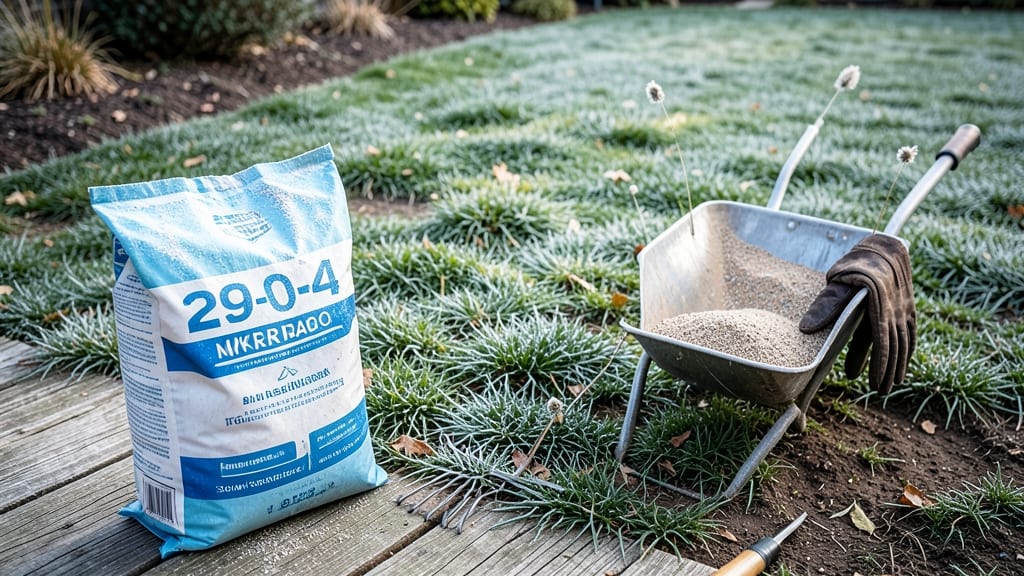
To winter fertilize lawns, aim for late fall through early spring when soil temperatures stay between 35°F and 60°F, typically November to February in most regions. This period promotes root strengthening without summer heat stress or frost damage.
Timing matters because winter fertilization works with nature's cycle. When temperatures dip below 60°F, grass roots become more active in preparing for spring growth, making them primed to absorb nutrients. 🌱 The 35°F minimum prevents fertilizer from washing away during thaw cycles or burning delicate roots in freezing conditions.
In warmer southern climates, you might extend fertilization into March, while northern zones should finish by late February to avoid springtime runoff risks.
This approach differs from summer feeding because winter fertilizers focus on slow-release nutrients that build soil health gradually. Unlike quick-release summer blends designed for rapid green-up, winter formulations prioritize long-term root development and disease resistance. For best results, choose a high-potassium blend (like 10-10-20) to fortify grass against winter stress.
💡 In This Article
- How Soil Temperature Affects Winter Fertilizer Absorption
- Best Winter Fertilizer Types for Lawn Health
How soil temperature affects winter fertilizer absorption
Soil temperature acts as the control panel for nutrient uptake during winter fertilization. The 60°F threshold isn't arbitrary—it's where soil microbes become active enough to break down organic matter and convert nutrients into forms grass roots can absorb.
Below this temperature, microbial activity slows dramatically, reducing the effectiveness of quick-release fertilizers. In fact, studies show nutrient availability drops by 50% or more when soil temperatures fall below 50°F, making slow-release formulations essential for winter applications.
The science gets even more interesting when you consider how cold affects root metabolism. Grass roots remain semi-dormant in winter but still perform essential maintenance—repairing cell damage from freeze-thaw cycles and storing nutrients for spring growth.
Fertilizers applied when soil is between 35°F and 60°F provide these repair processes with the building blocks they need without overstimulating top growth (which would be wasted energy in cold conditions).
This is why winterizer blends often contain 30-50% slow-release nitrogen, designed to feed roots gradually over 8-12 weeks rather than all at once.
Regional climate variations create significant timing differences. In northern zones (USDA zones 3-6), where winters are harsh, the ideal window shrinks to November through early February—applying fertilizer too late risks nutrient leaching during spring thaws.
Southern climates (zones 7-9) can extend applications until March or even April because milder winters maintain soil temperatures above 50°F for longer periods.
For example, in Atlanta (zone 7b), you might fertilize as late as February 15th, while in Minneapolis (zone 4b), the cutoff is typically January 31st to avoid spring runoff risks.
What most people don't realize is how soil moisture interacts with temperature during winter fertilization. Wet, cold soil creates anaerobic pockets where beneficial microbes can't thrive, leading to nutrient losses through denitrification (where nitrogen converts to harmless gases).
This is why winter applications often include iron supplements—they're more stable in cold, wet conditions and help maintain lawn color without relying on nitrogen uptake.
The key is applying fertilizer when soil is slightly moist but not saturated, typically after a light rain when temperatures are consistently above freezing for 3-5 days.
Consider this practical example: In New England, where December temperatures average 25°F, applying winter fertilizer in early November gives grass roots 10-12 weeks of nutrient access before spring growth begins.
The same application in Texas, where December averages 55°F, might only provide 6-8 weeks of effective feeding before summer heat arrives. This regional math explains why northern lawns often need two winter applications (early November and late January) while southern lawns thrive with one extended application in December.
The bottom line? Winter fertilization works because it aligns with nature's rhythm. When you apply nutrients during this 35°F-60°F window, you're essentially giving your lawn's roots a nutrient-rich nap—preparing them for the growth spurt ahead without the stress of summer heat.
Think of it like building muscle during off-season training rather than trying to gain strength during peak competition. 💪