
Fertilization
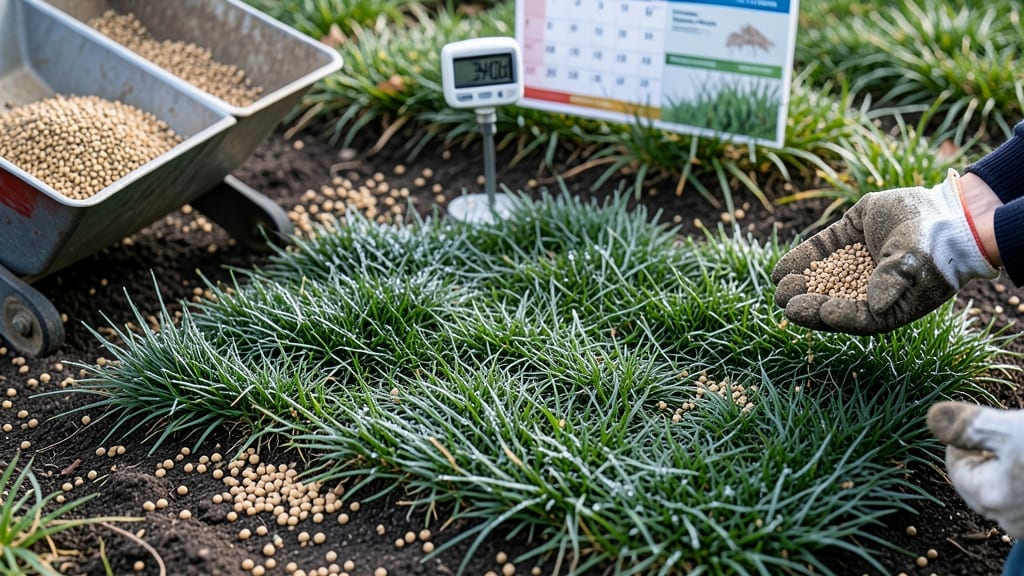
Fertilizing your lawn when it’s too cold can actually harm your 🌱 rather than help it, and the exact temperature threshold is often misunderstood.
You might think a chilly morning is fine, but soil temperature—especially in USDA Zone 6—plays the biggest role. Applying fertilizer when the ground is below 50°F can shock roots, waste nutrients, and even invite fungal growth. Worse, it might leave your lawn looking patchy by spring.
This guide breaks down the precise soil temps for safe fertilization, how to test yours without a fancy tool, and what to do instead when winter lingers. No more guessing—just science-backed timing for a healthier lawn.
From early spring feeds to late-fall prep, you’ll learn when to hold off, which fertilizers work best in cooler weather, and how to spot the early signs of overdoing it.
Soil temperature rules for fertilizing lawn (exact safe limits)
Timing your lawn fertilizer application by soil temperature, not air temperature, is the secret to a lush, healthy lawn.
Many gardeners make the mistake of fertilizing too early in spring or late fall when soil is still cold, which can lead to nutrient runoff, wasted money, and even lawn damage.
The key threshold to remember is 50°F to 55°F—this is when grass roots become active enough to absorb nutrients effectively.
Air temperature can be misleading because soil warms up more slowly, especially in early spring or late fall. For example, a 60°F air temperature might feel pleasant, but the soil could still be sitting at 45°F—far too cold for safe fertilization.
Always check your soil temperature before applying fertilizer to avoid these common mistakes.
Why soil temperature matters: When soil is below 50°F, grass roots slow down or go dormant, making it impossible for them to utilize fertilizer nutrients. This leads to wasted fertilizer, which can leach into groundwater or burn your lawn. Conversely, fertilizing when soil is above 55°F ensures your grass can absorb nutrients efficiently, promoting strong growth and deep root development.
To test your soil temperature accurately, use a soil thermometer (available at garden centers for under $10). Insert the probe 4–6 inches deep—this mimics the depth where grass roots absorb nutrients. Check temperatures in the morning for the most reliable reading, as afternoon sun can artificially raise readings.
If your soil is consistently below 50°F, wait at least 1–2 weeks before fertilizing again.
Regional variations play a big role in timing. In USDA Zones 3–5, where winters are colder, soil may stay below 50°F until late May or early June. Meanwhile, in Zones 7–9, you can often fertilize as early as March or even February.
Always adjust your schedule based on local conditions—your lawn’s health depends on it.
Fertilizing too early in cold soil can cause fertilizer burn, where excess salts and nutrients accumulate on the soil surface instead of being absorbed by roots. This leads to brown patches, slow growth, and even fungal issues.
To avoid this, always wait until soil temperatures are consistently above 50°F for at least 5–7 days before applying fertilizer.
If you’re unsure about your soil temperature, consider using a slow-release fertilizer in early spring. These products release nutrients gradually, reducing the risk of over-application while your lawn wakes up from dormancy.
Look for labels that specify "spring feed" or "cool-season" formulations, which are designed to work safely in cooler conditions.
For late fall fertilization, aim to apply nutrients 4–6 weeks before your first frost date. This gives your grass time to absorb the fertilizer and store nutrients in its roots for next spring’s growth.
In colder climates (like USDA Zone 4 or colder), this might mean fertilizing as early as mid-September, while in warmer zones (like Zone 8+), you could extend it to November.
Remember, your lawn’s health is a long-term investment. Skipping fertilization in cold soil might seem like a shortcut, but it can lead to weak roots, poor color, and increased susceptibility to pests and diseases.
By following these soil temperature rules, you’ll ensure your lawn gets the nutrients it needs when it needs them most.
🌱
Signs your lawn is getting fertilizer burn in cold weather (and how to fix it)
Cold weather fertilization can backfire spectacularly, leaving your lawn looking more like a science experiment than a lush green carpet. When soil temperatures dip below 50°F (10°C), grass roots slow down dramatically, making them vulnerable to fertilizer burn—even from products labeled "safe."
The symptoms often appear subtle at first but can escalate quickly if ignored.
One of the first red flags is yellowing patches that don't match your mowing pattern. Unlike natural discoloration from shade or drought, fertilizer burn creates irregular, brown or straw-colored streaks along where you applied the product. These areas often feel crunchy or brittle when walked on, signaling root damage.
Another common mistake is assuming fast-release fertilizers are safe in cooler temps. These products release nutrients immediately, overwhelming grass that's already struggling to absorb them in cold soil. Slow-release options, like coated urea or organic matter, are far gentler on winter lawns—but even they need the right conditions.
⚠️ callout-warning ⚠️
Never fertilize when soil temps drop below 50°F (10°C). Use a soil thermometer (not air temp!) to check—most lawns need at least 55°F (13°C) for safe application. In USDA Zone 6, this typically means waiting until late April or early May for spring feedings.
⚠️ Winter warning: Fertilizing in fall below 60°F (16°C) risks nutrient runoff and fungal growth. Always water in light applications after fertilizing to prevent buildup.
If you've already fertilized too early, don't panic—your lawn can recover with the right steps. Start by deep watering the affected areas to help flush out excess salts. Then, mow higher than usual (3–4 inches) to reduce stress on weakened blades.
For severe cases, apply a light layer of compost to neutralize soil pH and improve nutrient absorption.
For persistent problems, consider switching to organic fertilizers like fish emulsion or compost tea, which break down more slowly and are less likely to burn grass in cool conditions. These options also improve soil health long-term, helping your lawn bounce back stronger next season.
Remember, cold-weather fertilization isn't just about timing—it's about grass type too. Cool-season grasses (like Kentucky bluegrass) tolerate early spring feedings better than warm-season varieties (like Bermuda grass), which need soil temps above 65°F (18°C) to absorb nutrients properly.