
Lawn
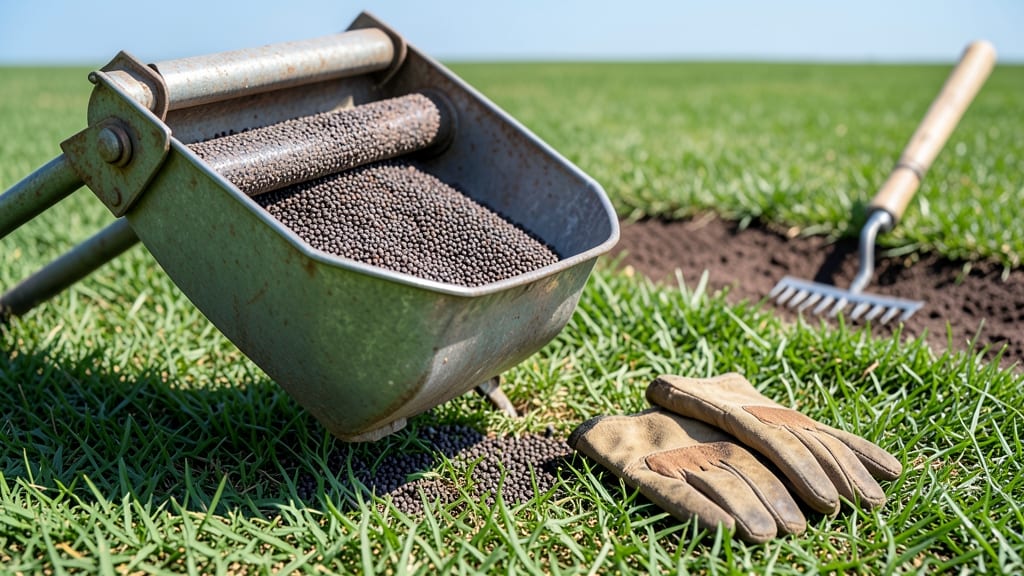
Fertilizing your lawn in Texas at the wrong time can turn your 🌱 green into a heat-zapped desert—so timing matters more than the type of fertilizer you use.
Texas summers are brutal—scorching heat can turn your lawn from lush green to crispy brown if you don’t fertilize at the right times. But with the wrong schedule, you’ll waste money and stress your grass.
Most Texas lawns thrive with two key feedings: early spring to kickstart growth and fall to strengthen roots before winter. But Bermuda and Zoysia grasses? They play by their own rules, especially in North Texas’ 8a-10a zones.
Here’s the science-backed Texas lawn care timeline to keep your yard thriving year-round—plus when to skip summer fertilizing entirely (spoiler: it’s usually a bad idea).
Texas lawn fertilization schedule: best times for spring & fall (with heat-tolerant grass exceptions)
Timing is everything when fertilizing your Texas lawn—especially with our extreme heat and drought conditions. Most gardeners make the mistake of fertilizing during summer’s peak, which burns grass instead of nourishing it.
The truth? Spring and fall are your golden windows for feeding heat-tolerant grasses like Bermuda, Zoysia, and St. Augustine. Let’s break down the science-backed schedule that keeps your lawn thriving year-round.
Your grass’s growth cycle aligns with Texas’s soil temperatures, not just calendar months. For example, Bermuda grass goes dormant in winter but starts actively growing when soil hits 65°F in spring.
Meanwhile, St. Augustine thrives in cooler fall temperatures (70-80°F) but suffers in summer’s 100°F+ heat. Missing these temperature triggers means wasted fertilizer and stressed grass.
Here’s the non-negotiable rule: Fertilize when your grass is actively growing, not when it’s dormant. That means spring (March-May) and fall (September-November) for most Texas lawns. Summer fertilizing? Only if you’re using slow-release formulas and watering deeply—but even then, it’s risky.
Regional differences matter too. North Texas (like Dallas) can fertilize 2 weeks earlier than South Texas (Houston/Austin) due to cooler springs. Use your last frost date as a guide: Wait until 2 weeks after the last frost to start spring feedings.
For Bermuda grass, the first spring feeding should happen when soil temperatures hit 65°F—usually late February to early March in North Texas, but March in Central/South Texas.
Use a high-nitrogen fertilizer (like 16-4-8) to encourage leaf growth, but switch to a low-nitrogen, high-phosphorus formula (like 10-20-10) in fall to strengthen roots before winter.
Zoysia grass is the most drought-tolerant option, but it still needs precise timing. Fertilize in April–May when soil warms to 60°F, then again in October as temps drop. Avoid summer feedings—Zoysia goes dormant and won’t use fertilizer effectively. Instead, focus on deep watering to keep it alive during heatwaves.
If you’re fertilizing in summer (not recommended for most grasses), do it only in early June when morning temps are below 90°F. Use a slow-release fertilizer and apply it before 8 AM to prevent leaf burn.
Water deeply (1–1.5 inches) immediately after to help the grass absorb nutrients without stress.
Fall fertilization is your secret weapon for a thicker lawn next spring. For St. Augustine, apply the first feeding in September when soil temps are 72°F+, then again in October.
This gives the grass time to store nutrients before winter dormancy. Buffalo grass, meanwhile, only needs one fall feeding in September to prep for cooler months.
Pro tip: Always test your soil before fertilizing. Texas soils are often alkaline (pH 7.5–8.5), which
How to choose the right fertilizer for Texas grass types (N-p-k ratios that actually work)
Texas lawns demand precision fertilization—the wrong N-P-K ratio or timing can leave your grass struggling under the heat. Unlike cooler climates, Texas grasses like Bermuda and St. Augustine need phosphorus-heavy feeds in spring to establish roots, but low-nitrogen formulas in summer to avoid heat stress.
Let’s decode the labels and match your grass type to the perfect formula.
First, understand the N-P-K numbers on fertilizer bags. The first number (nitrogen) fuels leaf growth, the second (phosphorus) strengthens roots, and the third (potassium) boosts drought resistance.
For Texas heat-tolerant grasses, a 16-4-8 ratio is a safe starting point, but your grass type dictates the tweaks. For example, Bermuda grass thrives with higher phosphorus in spring (like 10-20-10) but switches to low nitrogen in summer (10-0-20).
Next, choose between synthetic and organic fertilizers. Synthetic options like urea or ammonium sulfate deliver fast nitrogen but risk burning grass in Texas heat. For organic choices, composted manure or fish emulsion provide slow-release nutrients and improve soil health.
My go-to for St. Augustine is a compost-based 16-4-8—it feeds roots without shocking the plant.
Timing matters just as much as the formula. Apply spring fertilizers when soil temps hit 65°F (early March in North Texas, February in South Texas). For summer feeds, wait until afternoon shade returns (late August) to avoid heat stress.
Pro tip: Water your lawn deeply 24 hours before fertilizing to help nutrients absorb evenly.
Finally, avoid over-fertilizing—Texas soil already has high potassium from clay. Stick to every 6-8 weeks in spring/fall, and skip winter feeds entirely. For Bermuda grass, a light iron supplement in summer (like chelated iron) keeps it green without overloading the roots.
Your lawn will thank you with deep green blades and heat resilience all season.
🌱