
Lawn
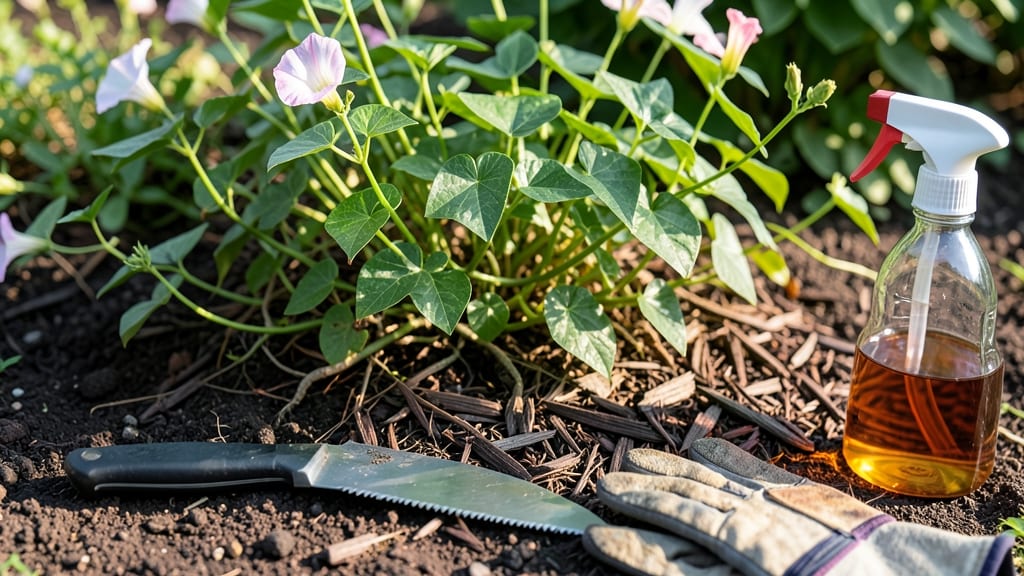
Bindweed in lawns is the gardener’s worst nightmare—those silvery-green vines strangle grass roots and return with a vengeance. 🌱 I’ve battled it for years, and what I learned is that brute force alone won’t win.
The key lies in starving the roots while smothering new growth, a two-step process that takes patience but spares your knees (and your wallet). The problem starts underground: bindweed roots stretch 10-20 feet deep, and even a tiny fragment left behind will regrow.
Chemical sprays work temporarily, but organic methods—like solarizing or sheet mulching—break the cycle over time. The real secret? Consistency. One treatment won’t do it; you’ll need to repeat efforts for 2-3 seasons to see real progress.
What you’ll end up with is a lawn free of those choking vines, where grass reclaims space and stays healthy. The first year is the hardest, but by summer’s end, you’ll notice fewer sprouts—and eventually, none at all.
This isn’t a quick fix, but it’s worth the effort for a lawn that stays lush and weed-free. Works for both small patches and large yards, though bigger areas may need a team effort. Let’s tackle this step by step—starting with what’s already growing in your grass.
The Hidden Triggers Behind Weed Spread
Bindweed—also known as morning glory—doesn’t just pop up overnight. Its aggressive takeover of lawns is the result of a mix of environmental, human, and biological factors working in its favor.
Understanding these triggers is the first step to stopping its spread before it becomes unmanageable. Let’s break down the science behind why this stubborn weed thrives in your yard.
Bindweed is a survivor, thriving in conditions where other plants struggle. Its rapid growth is fueled by:
- Warmth and Sunlight: This weed loves full sun (6+ hours daily) and flourishes in temperatures between 60°F and 85°F. If your lawn gets plenty of sunlight, especially in spring and summer, you’re creating an ideal bindweed buffet. Pro tip: 🌡️ Mornings with dew or evening moisture can also boost its growth—think of it as a built-in irrigation system.
- Well-Drained Soil: Bindweed roots despise soggy soil but hate drought even more. It thrives in loamy or sandy soils that drain well but retain enough moisture to keep its roots hydrated. Compacted or clay-heavy soils? Not its favorite—but if they’re amended with organic matter, they can become prime real estate.
- Rich Organic Matter: Unlike many weeds, bindweed doesn’t need nutrient-poor soil to spread. In fact, it prefers soil with moderate fertility. Over-fertilized lawns (especially with nitrogen) can create patches where grass weakens, leaving gaps for bindweed to seize. Irony alert: The more you feed your lawn, the more you might feed this weed.
💡 Actionable Insight: If your lawn has bare spots or thin grass, bindweed sees them as an invitation. Regular mowing, overseeding, and soil testing can help close the gap before it sends out its signature heart-shaped leaves.
Bindweed isn’t just one plant—it’s a network. Its spread is a two-pronged attack:
- Seed Dispersal: A single bindweed plant can produce up to 800 seeds per year, and they’re lightweight, hitchhiking on wind, water, animals, and even lawn equipment. Birds, deer, and mowers can unknowingly transport seeds across your yard. Once they land in the right spot, they germinate in as little as 5 days.
- Underground Rhizomes: The real villain? Its deep, creeping root system (rhizomes) that can extend 15–20 feet horizontally and survive 10+ years in dormancy. Even a tiny root fragment left in the soil can regrow into a full plant. This is why hand-pulling often fails—you’re likely missing pieces.
- Perennial Persistence: Unlike annual weeds, bindweed comes back year after year. Its roots store energy over winter, making it nearly impossible to starve out with one treatment. Think of it as a lawn’s worst roommate—it never moves out.
🔥 Why It Matters: If you’ve ever pulled a bindweed vine and seen new shoots pop up nearby, you’re seeing the rhizome network at work. The key to control? Disrupting both seeds and roots simultaneously.
Sometimes, the biggest factor in bindweed’s success is us. Common lawn care mistakes unintentionally create the perfect conditions for this weed to take over:
- Neglecting Lawn Maintenance:
- Infrequent mowing lets bindweed vines grow tall (up to 15 feet!), shading out grass and dropping seeds everywhere.
- Skipping overseeding leaves bare patches, which bindweed happily fills.
- Improper Watering:
- Overwatering creates moisture-loving conditions that bindweed adores.
- Underwatering stresses grass, making it vulnerable to invasion.
- Drip irrigation or sprinklers can spread seeds from plant to plant.
- Using the Wrong Herbicides:
- Pre-emergent herbicides (like crabgrass preventers) often don’t target bindweed because it germinates year-round.
- Post-emergent herbicides that aren’t systemic (e.g., vinegar-based sprays) may kill the leaves but leave the roots intact.
- Moving Soil or Mulch:
- Rhizome fragments hidden in topsoil, compost, or mulch can introduce bindweed to new areas.
- Even firewood or landscaping rocks can carry seeds if sourced from infested areas.
✨ Pro Tip: If you’re buying mulch or soil, ask if it’s bindweed-free. Some suppliers test for invasive species—worth the extra step!
Not all bindweed triggers are within your control. Mother Nature plays a role too:
- Climate and Microclimates: Bindweed dominates in temperate zones (USDA Hardiness Zones 4–10) but can adapt to partial shade if the soil stays moist. If your yard has shady spots with damp soil, bindweed may be lurking there.
- Disturbances in Soil: Activities like digging, aerating, or even heavy foot traffic can stimulate dormant rhizomes to wake up and grow. Think of it like poking a sleeping bear—it’s going to react.
- Lack of Natural Predators: Unlike some weeds, bindweed has few natural enemies in lawns. Deer and rabbits might nibble the leaves, but they rarely eradicate it. Birds and insects can help, but they’re not reliable enough to stop an infestation alone.
🎯 Key Takeaway: While you can’t change the weather, you can work with your yard’s natural conditions to outcompete bindweed. Focus on grass density, proper watering, and targeted treatments to tip the balance in your favor.
Beat Back Stubborn Lawn Weeds
Bindweed may be relentless, but with the right strategies, you can reclaim your lawn. The key is understanding its growth habits and attacking it at every stage—from surface-level vines to deep-rooted systems.
Below, we break down the most effective solutions based on the cause of your bindweed problem, plus prevention tips to keep it from creeping back.
Fix: Smother and Pull Early Bindweed thrives on sunlight, so cutting off its access to light is your first line of defense. For young vines (less than 6 inches tall), manual removal is the easiest and most effective method.How to do it:
- 🔥 Timing is everything: Pull vines when the soil is moist (after rain or watering) to avoid breaking the roots. Early morning or late evening works best.
- 🍳 Use gloves and tools: Wear heavy-duty gardening gloves to protect your hands. A weed puller or hula hoe helps loosen roots without bending your back.
- 👨🍳 Grab and twist: Grasp the vine as close to the ground as possible and twist sharply to break the root. Discard the entire plant—never compost it—or it will regrow.
- 🥘 Repeat weekly: Bindweed grows fast, so check your lawn every 5–7 days to catch new sprouts before they take hold.
Pro tip: 💡 Mulch heavily around garden edges and lawn borders to block sunlight and discourage new growth.
Fix: Combine Smothering with Chemical Control Once bindweed has deep roots, manual pulling alone won’t cut it. You’ll need a multi-step approach to starve the roots and prevent regrowth.How to do it:
| Step | Action | Tools/Materials |
|---|---|---|
| ⏰ Step 1: Solarize the Soil | Cover the affected area with clear plastic sheeting for 4–6 weeks in hot weather (70°F+). This bakes the roots and weakens the plant. | Heavy-duty plastic, rocks/bricks to secure edges |
| 🔪 Step 2: Apply Herbicide | Use a glyphosate-based herbicide (like Roundup) on a dry, wind-free day. Follow label instructions exactly—overapplying can harm grass. | Glyphosate herbicide, sprayer, protective gear |
| 🌱 Step 3: Replant with Competitive Grass | After treating, overseed with dense, fast-growing grass like tall fescue or ryegrass to outcompete bindweed for space and nutrients. | Grass seed, starter fertilizer, lawn roller |
Pro tip: 🌡️ Test soil pH first—bindweed loves acidic soil (pH < 6.0). Amend with lime if needed to create an unfavorable environment.
Fix: Isolate and Prevent Cross-Contamination If bindweed keeps reappearing, it’s likely spreading from adjacent yards, roadsides, or even your own garden. Isolation and prevention are critical.How to do it:
- ✨ Create a barrier: Install a landscape fabric border or mulch bed around your lawn’s perimeter to block vines from crawling in.
- 🎯 Educate neighbors: Politely inform nearby property owners about bindweed and encourage them to treat their lawns too. Offer to share tips or supplies if they’re willing.
- 🚜 Inspect tools and equipment: Clean lawnmowers, rakes, and shovels with rubbing alcohol after use to avoid transporting bindweed seeds to clean areas.
Pro tip: 🔥 Plant a “bindweed trap”—sow a sacrificial patch of annual ryegrass in heavily infested areas. The grass will attract bindweed, making it easier to treat in one spot.
Once you’ve banished bindweed, keep it from staging a comeback with these habits:Do:
- 🌱 Maintain a thick, healthy lawn: Bindweed struggles to penetrate dense grass. Mow high (3–4 inches) and fertilize regularly.
- 💦 Water deeply but infrequently: Encourages deep grass roots that shade out weeds.
- 🔍 Monitor and act fast: Check your lawn weekly for new vines. The earlier you catch them, the easier they are to remove.
Don’t:
- ❌ Leave clippings on the lawn: Bindweed seeds can hitch a ride—bag and dispose of them.
- ❌ Use pre-emergent herbicides alone: They won’t kill established bindweed; reserve them for crabgrass and other annual weeds.
- ❌ Ignore garden edges: Bindweed often starts in flower beds or mulch. Keep these areas weed-free.
Frequently asked questions
How do I know if I have bindweed or just regular morning glory?
Bindweed and morning glory look similar, but bindweed has silvery-green leaves with white or pink flowers shaped like trumpets. The key difference? Bindweed's vines are thicker and more aggressive, growing up to 15 feet long, while morning glory stays more contained. Check for heart-shaped leaves with pointed tips—this is bindweed's signature.
Will vinegar kill bindweed roots permanently?
Vinegar kills the above-ground parts but rarely eliminates the deep roots. For best results, use 20-30% acetic acid vinegar on a sunny day, then repeat weekly. However, for long-term control, combine vinegar treatments with soil solarization or glyphosate to target the rhizome network. The roots can survive for years!
How long does it take to completely eliminate bindweed?
Complete eradication typically takes 2-3 years of consistent treatment. First year focuses on smothering and pulling vines, second year targets roots with herbicides, and third year maintains prevention. Patience is key—even tiny root fragments can regrow. Think of it as a marathon, not a sprint!
Can I still use my lawn after treating bindweed?
Yes, but with precautions. Avoid heavy foot traffic on treated areas for 48 hours after herbicide application. For organic methods like solarization, wait until the plastic is removed and soil has cooled before using the space. Always prioritize children's play areas and pets—keep them away from freshly treated zones.
What's the best time of year to tackle bindweed?
Spring (March-May) and early fall (September-October) are ideal. Soil is warm enough for herbicides to work effectively, but not so hot that they evaporate. Avoid treating during drought conditions—moist soil helps herbicides penetrate deeper. Late summer treatments can work, but growth slows down, requiring more frequent applications.