
Fertilization
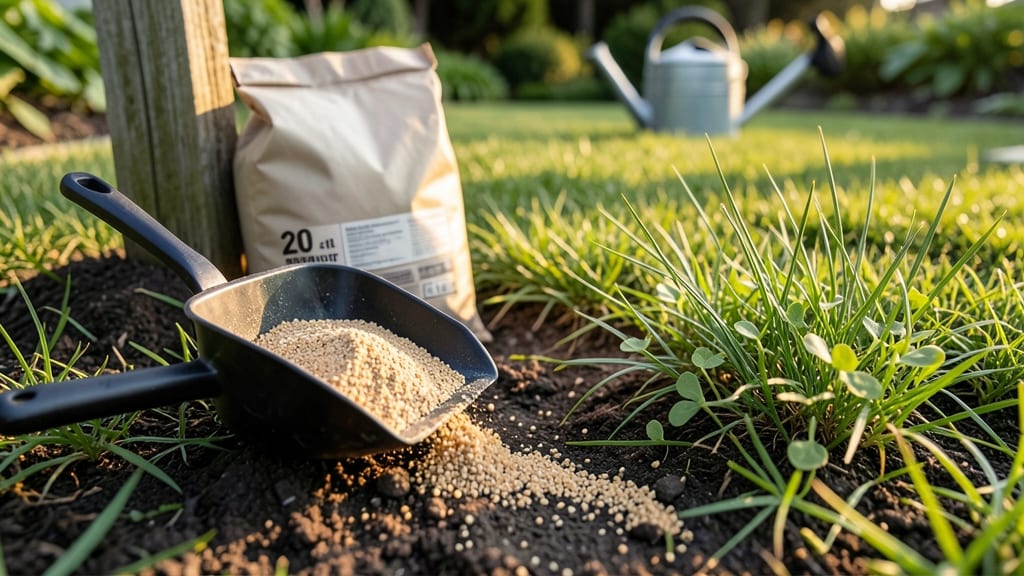
To fertilize lawn after overseeding, wait 6 to 8 weeks—this critical window lets new 🌱 grass seedlings establish roots before competing for nutrients.
Overseeding your lawn is a great way to restore thinning grass, but timing your fertilizer application wrong can stunt new growth or waste nutrients. The 6-8 week rule isn't just a guideline—it's the key to maximizing root development and ensuring your new seedlings thrive.
Why does this timing matter? Fertilizing too soon can burn tender seedlings or disrupt their natural growth cycle, while waiting too long means missing the prime opportunity to strengthen roots before winter. The right balance ensures your lawn recovers faster and stays lush year-round.
In this guide, I’ll break down the exact timing, how to choose the right fertilizer, and what to watch for to avoid common mistakes that ruin overseeding results.
Why the 6-8 week fertilizer window matters for overseeded lawns
When you overseed your lawn, you're giving your grass a second chance to fill in thin patches and restore its lush appearance. But here's the catch: applying fertilizer too soon can actually hinder that new growth.
The 6-8 week window exists for a scientific reason—it's the perfect balance between giving your grass the nutrients it needs and allowing those delicate seedlings to establish strong roots first.
New grass seeds need to focus all their energy on developing a robust root system before they can handle the nutrient boost from fertilizer. If you fertilize too early, the seeds may germinate unevenly or produce weak, shallow roots that can't compete with established weeds.
This window ensures your new grass gets the foundation it needs to thrive long-term.
Think of it like building a house: you wouldn't start decorating the living room before the foundation is poured. Similarly, your grass needs that root establishment phase before you introduce high-nitrogen fertilizers that promote top growth. The right timing prevents nutrient competition where established grass steals resources from your seedlings.
Ideal soil temperatures for overseeding typically range between 60°F and 75°F (15°C-24°C). If you fertilize when temperatures are still cool, the nutrients may not break down properly, leading to wasted resources. Waiting until soil temperatures stabilize gives your new grass the best chance to establish before the fertilizer kicks in.
Here's what happens if you fertilize too early: the high salt content in many fertilizers can burn young seedlings, while quick-release nitrogen may cause rapid top growth at the expense of root development. This creates grass that looks green but is actually shallow-rooted and vulnerable to drought or disease.
The 6-8 week mark is when your new grass has typically developed a root system deep enough to handle fertilization without stress. At this stage, the grass can absorb nutrients efficiently while continuing to build strength.
This timing also coincides with cooler fall temperatures in many regions, which is ideal for root growth.
If you wait too long—beyond 8 weeks—you risk missing the optimal window for fall fertilization.
Grass that's been established for too long may not respond as vigorously to fertilizer, and you could end up with uneven growth patterns where some areas thrive and others don't. The key is to monitor your lawn's progress and fertilize when you see healthy, consistent green across the overseeded areas.
Pro tip: Use a soil thermometer to check temperatures at the 4-inch depth where most grass roots develop. This gives you precise data to determine when your lawn is ready for that first fertilizer application.
Remember, patience during this phase pays off with a lawn that's denser, greener, and more resilient next season.
For cool-season grasses like fescue or ryegrass, this timing is especially critical as they rely on fall establishment for winter survival. Warm-season grasses like Bermuda or Zoysia have slightly different windows, but the principle remains: roots first, fertilizer second.
Step-by-step fertilizer application timeline for overseeded grass
Timing your fertilizer application after overseeding is critical—waiting 6-8 weeks ensures new grass seedlings have established roots before receiving nutrients. Rushing this step can burn tender seedlings or disrupt germination, while waiting too long reduces the fertilizer's effectiveness.
The key is balancing root development with nutrient needs, especially in fall overseeding when temperatures drop.
Before applying fertilizer, prepare your lawn by testing soil pH (ideal range: 6.0-7.0) and adjusting if needed. A slow-release fertilizer with high nitrogen (like 16-4-8) is ideal for overseeded lawns, as it provides steady nutrients without overwhelming young plants.
Regional climate matters too—northern areas may need adjustments for cooler fall temperatures, while southern regions can extend the timeline slightly.
Test soil pH and amend if needed (lime for acidic soil, sulfur for alkaline). Avoid fertilizer—focus on consistent watering (1 inch per week) to encourage germination.
If seedlings are 2-3 inches tall and healthy, apply a low-nitrogen starter fertilizer (5-10-10) at 1/4 the recommended rate. Water immediately after application.
Use a slow-release fertilizer (16-4-8) at half the label rate. Apply in early morning to avoid seed displacement. Water deeply afterward to activate nutrients.
Apply a balanced fertilizer (10-10-10) in early spring (March-April) to support new growth. Avoid fertilizing in summer heat or winter dormancy.
For cool-season grasses (like Kentucky bluegrass or fescue), aim to fertilize by late October to allow roots to harden before winter. In warm-season climates (e.g., Bermuda grass), delay fertilization until early spring to avoid stressing new seedlings in heat.
Always water 24 hours before and after fertilizing to prevent burn and ensure nutrient absorption.
Monitor your lawn closely after fertilizing—look for uniform green color and vigorous growth. If you notice yellowing leaves or thin patches, reduce fertilizer strength next time or adjust watering. Remember, the goal is strong roots first, then lush top growth.
By following this 6-8 week timeline, you’ll give your overseeded lawn the best chance to establish deep, resilient roots while avoiding common pitfalls like nutrient overload or seed displacement. Patience pays off—your lawn will thank you with thicker, greener coverage next season! 🌱