
Lawn
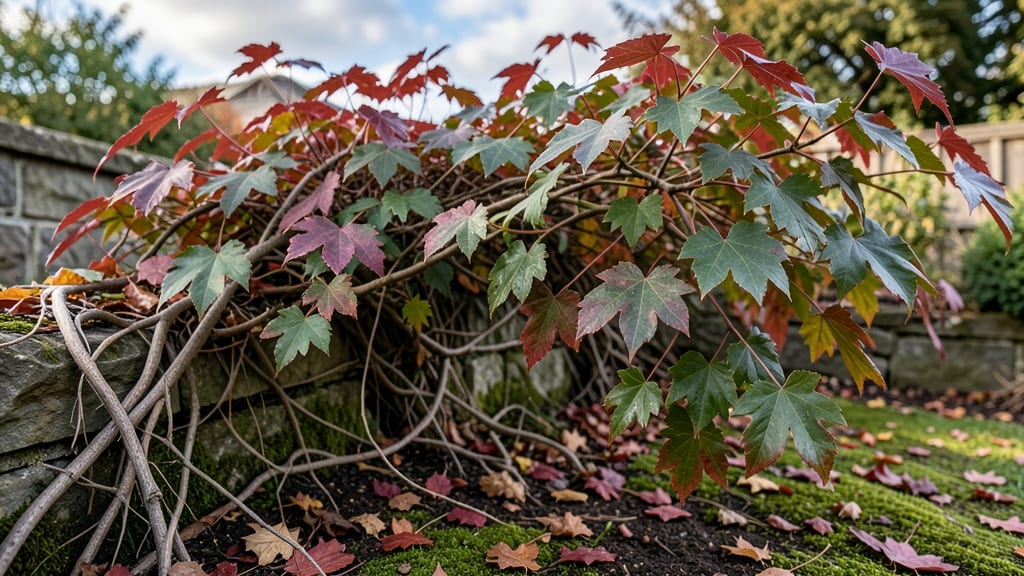
Managing Virginia creeper 🌿 spreading across your lawn is a common challenge for homeowners trying to keep their grass lush and weed-free.
Picture this: You’ve just mowed your lawn, only to notice those telltale five-leaf clusters creeping in, smothering your grass and making your yard look unkempt. Virginia creeper doesn’t just ruin the look—it can choke out your lawn if left unchecked.
This aggressive vine thrives in lawns because it loves shade and moisture, which means it can pop up anywhere your grass is struggling. The good news? With the right approach, you can remove it safely and prevent it from coming back.
In this guide, I’ll walk you through how to spot Virginia creeper, the best removal methods (including manual and chemical options), and long-term strategies to keep your lawn healthy and free of unwanted vines.
How to identify Virginia creeper in your lawn vs. other vines
If you're staring at a mysterious vine creeping across your lawn, you're not alone. Virginia creeper (Parthenocissus quinquefolia) often gets confused with poison ivy or other invasive vines. Misidentifying it could lead to dangerous removal methods or wasting time on the wrong plant.
The key is knowing what to look for—especially the leaf structure and climbing habits—before grabbing your pruners.
Virginia creeper thrives in lawns and wooded areas, spreading aggressively with its five-pointed leaves. But it's not the only vine with similar traits. Poison ivy, bittersweet, and even honeysuckle can look alarmingly alike at first glance.
That's why I've broken down the critical differences in a comparison table below, so you can confidently identify—and remove—Virginia creeper without harming your grass or risking skin irritation.