
Fertilization
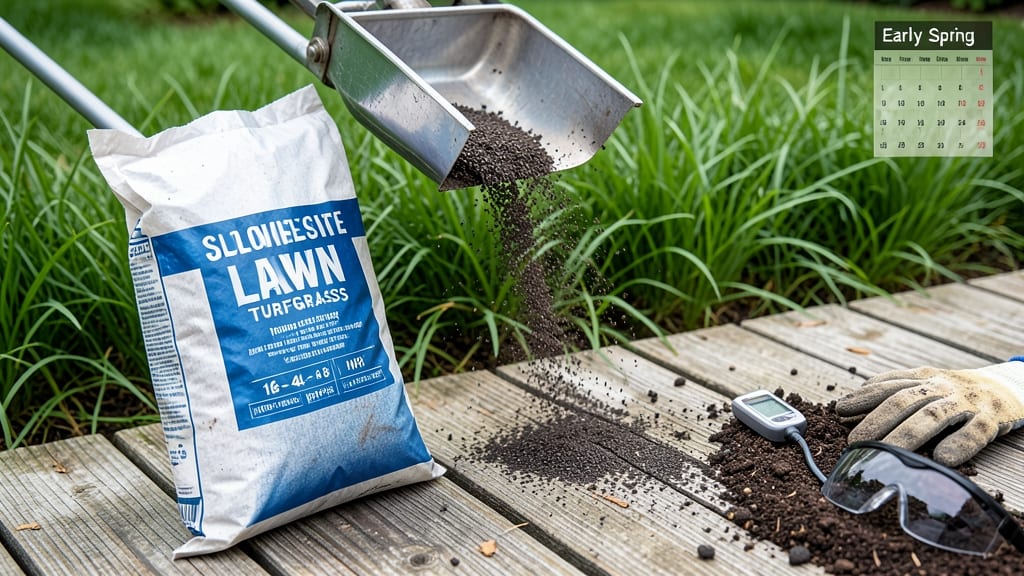
Fertilizing your lawn in Tennessee at the right time is the key to fast, lush growth without wasting money or harming your grass.
Picture this: you’ve just seeded your 🌱 lawn grass in March, and by summer, it’s patchy and struggling. That’s what happens when you fertilize too early or too late—your grass misses its growth window entirely.
Tennessee’s climate demands precision, and the difference between a thriving yard and a lackluster one often comes down to timing.
Most gardeners in zones 6a-8a focus on two critical windows: early spring and fall. But here’s the catch—your exact timing depends on whether you’re in Nashville’s heat, Chattanooga’s humidity, or Memphis’s longer growing season. Get it wrong, and you’ll either burn your grass or watch weeds take over.
In this guide, I’ll break down the science-backed schedule for Tennessee lawns, including when to feed, how to adjust for your microclimate, and the one mistake that ruins more lawns than overwatering.
By the end, you’ll know exactly when to reach for that fertilizer spreader—and when to put it away for the season.
Tennessee’s ideal fertilization timeline: spring vs fall for best results
Timing your lawn fertilization is everything in Tennessee’s humid subtropical climate. The two critical windows—spring and fall—align with your grass’s natural growth cycles. Skipping these can leave your lawn thin, patchy, and vulnerable to weeds. Let’s break down why these seasons matter and how to get it right.
Spring fertilization kickstarts growth after winter dormancy, while fall feeding strengthens roots before cold weather sets in. Tennessee’s three distinct regions—East, Middle, and West—each have slightly different microclimates that affect the perfect timing. We’ll cover soil temperatures, regional adjustments, and why summer fertilization is a common mistake.
Soil temperature is your best guide: aim for 55-65°F in spring and 60-70°F in fall. In East Tennessee’s cooler mountains, this might mean fertilizing in late April-May and early October, while West Tennessee’s warmer climate allows for March-April and September-October applications.
Spring fertilization in Tennessee typically happens between March and May, but the exact timing depends on your region. In East Tennessee’s cooler climate, wait until soil temperatures consistently stay above 55°F—usually late April.
Middle Tennessee’s warmer zones can start as early as March, while West Tennessee’s heat allows for March-April applications.
For fall fertilization, aim for September through early October. This gives your grass 6-8 weeks of growth before winter dormancy. In East Tennessee, where first frosts can arrive by late October, prioritize early September applications
How to adjust your fertilization schedule for Tennessee’s microclimates
Tennessee’s diverse climate—from Nashville’s hot summers to Chattanooga’s high humidity—means your fertilization plan should adapt to local conditions. The same spring and fall schedule won’t work statewide. For example, Memphis’ heat demands earlier spring feeding, while Knoxville’s cooler temps may delay fall applications by 2-3 weeks.
Before adjusting your schedule, test your soil’s pH and nutrient levels using a home kit or lab service. Tennessee soils often lack nitrogen and potassium, but overcorrecting can burn grass.
Aim for a pH of 6.0–7.0—acidic soils (below 6.0) need lime, while alkaline soils (above 7.0) benefit from sulfur.
- Nashville (Zone 7a): Apply pre-emergent herbicides in early March to block weeds before spring germination. Fertilize in late March–April and October to avoid summer heat stress.
- Chattanooga (Zone 7b): Wait until mid-April for spring feeding due to slower soil warming. Shift fall fertilization to early September to prevent fungal growth from prolonged humidity.
- Memphis (Zone 8a): Fertilize in February to beat early heat waves. Use slow-release nitrogen to prevent burn. Skip summer feeding entirely—grass goes dormant by June.
- Pre-Fertilization Checklist: Mow to 2.5–3 inches, water deeply 24 hours before, and aerate compacted soil. Avoid fertilizing if rain is forecasted within 48 hours.
Adjust your fertilizer blend based on regional needs. Western Tennessee’s clay-heavy soils benefit from potassium-rich fertilizers (e.g., 10-0-20) to improve drought tolerance, while eastern areas with sandy soils need more nitrogen (e.g., 30-0-4) for rapid green-up.
Timing pre-emergent herbicides is critical. In Nashville and Knoxville, apply them 4–6 weeks before crabgrass seeds germinate (typically late February–March). For Memphis and Jackson, push this to January–February due to earlier warming. Always reapply after mowing or heavy rain.
Monitor your lawn’s color and growth after fertilizing. Dark green patches indicate healthy uptake, while yellowing or brown tips signal over-application. In humid regions like Chattanooga, reduce nitrogen in late summer to prevent fungal diseases like brown patch.
Pro tip: Keep a garden journal to track when you fertilize, how your grass responds, and local weather patterns. Over time, you’ll refine your schedule to match your yard’s unique needs—saving money and growing a thicker, greener lawn year after year. 🌱